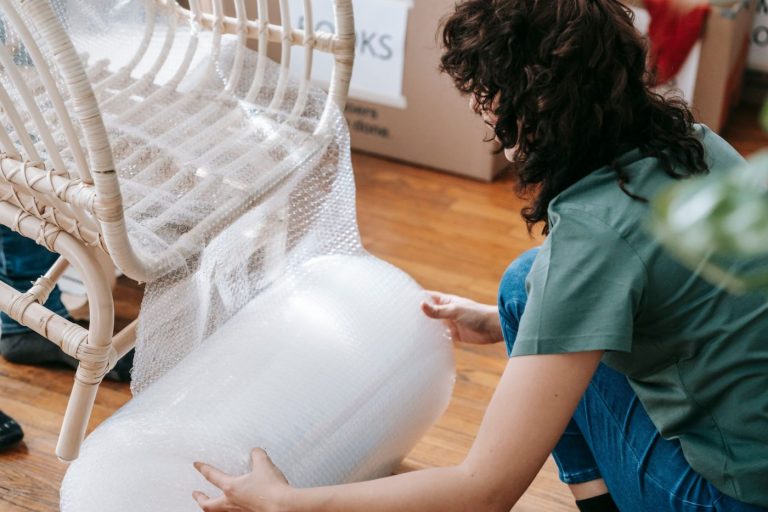
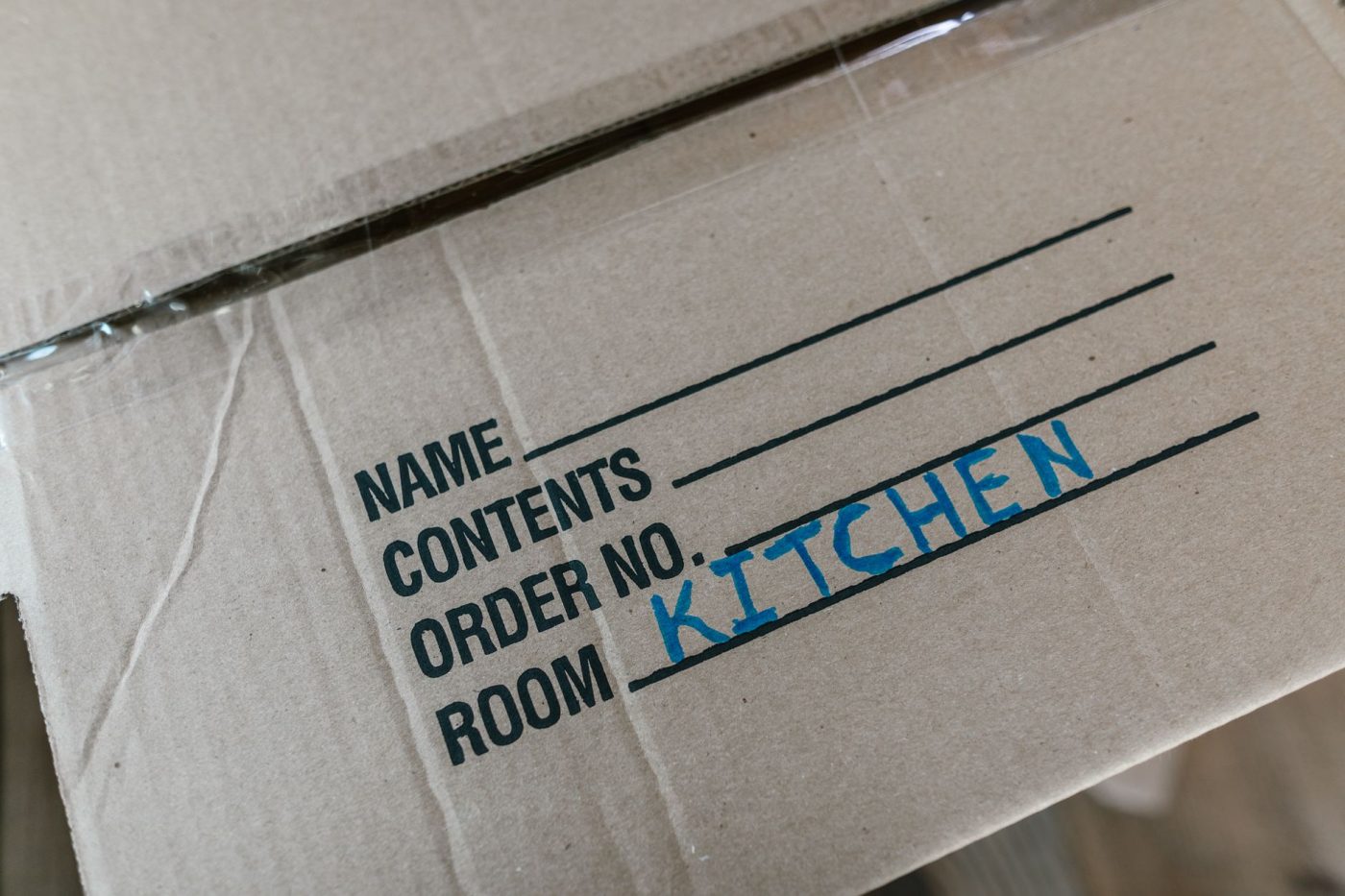
Photo: RDNE Stock project, Pexels (Pexels License)
What should I do eight weeks before the move?
Eight weeks out is the time to build the foundation of your move. Start a moving binder, either a physical folder or a digital file, where you keep estimates, receipts, and your inventory list in one place. This single habit prevents a last-minute scramble for a lost contract or a forgotten truck reservation.
Walk through every room and take a written inventory. Note large furniture, electronics, and boxes you expect to pack. A clear inventory helps you get accurate quotes from moving companies and decide what you really want to take with you. Open the binder and begin researching licensed movers. Request in-home surveys from at least three companies and compare the written estimates side by side.
- Set up a moving binder with tabs for estimates, inventory, receipts, and a calendar.
- Take a room-by-room inventory and photograph high value items with their serial numbers.
- Request in home estimates from at least three licensed moving companies.
- Check each mover’s USDOT number in the FMCSA database to confirm they are registered and insured.
- Create a simple floor plan of your new home and mark where large pieces will go.
- Order moving supplies: sturdy boxes in three sizes, packing tape, a tape dispenser, and permanent markers.
What is the most efficient way to pack a room?
The most reliable method is to treat each room as its own project and finish it in a single day. A half-packed room left overnight creates confusion, and open boxes in a hallway become a safety hazard. Set aside a full morning or afternoon, gather all your supplies before you start, and do not leave the room until every shelf and drawer is empty.
Begin with an open, empty box marked "Essentials" for the things you will need the moment you arrive: a phone charger, a roll of toilet paper, hand soap, a towel, basic tools, and a change of clothes. This box travels with you in your car, not in the moving truck. After that, pack one category at a time, starting with decorative items and books, then moving to linens and out-of-season clothing.
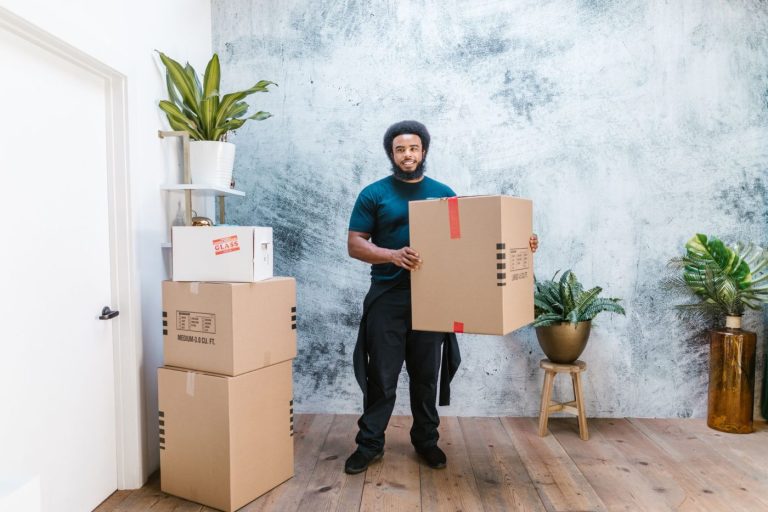
Follow a strict weight rule: heavy items like books, canned goods, and tools go into small boxes. Light, bulky items like pillows, blankets, and comforters fill the large boxes. A small box of books is easy to carry; a large one splits at the bottom and strains your back. Keep each box under 50 pounds and test the weight by lifting it before you seal the top.
How do I label boxes so nothing gets lost?
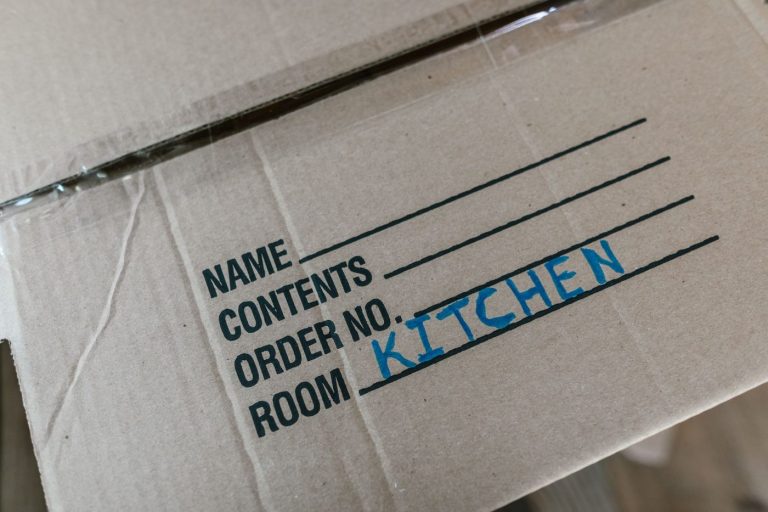
A clear labeling system prevents confusion on moving day and saves hours when unpacking. The most reliable method combines a color code for each room with a short list of the contents.
Assign a different color of tape or a bold marker stripe to each room in your new home. Write the room name on at least two sides and the top, so the label is visible no matter how the boxes are stacked.
- Pick a unique color for each room and stick to it on every box headed there.
- Write the destination room in large block letters on two adjacent sides and the lid.
- Add a three-word content hint, such as "pots and pans" or "winter coats," right below the room name.
- Number each box and keep a matching list on your phone with a fuller inventory of what is inside.
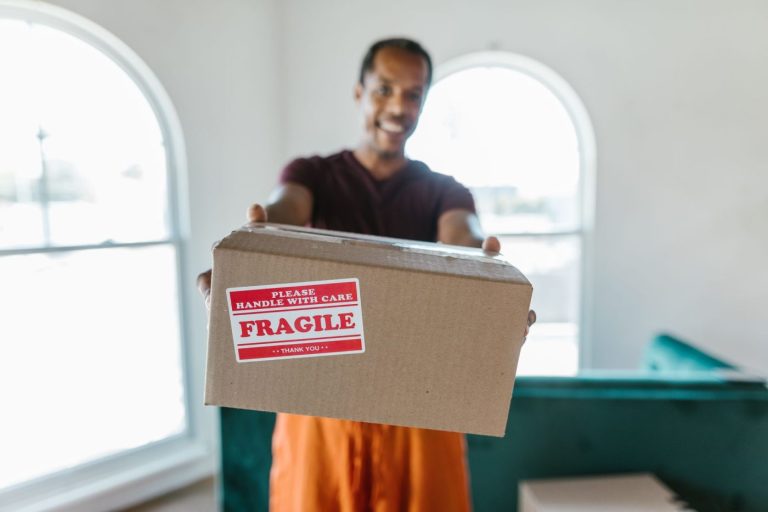
- Stick "fragile" labels on the top and two sides of boxes holding breakables, and add "this side up" arrows where the contents can shift.
- Place the label on the box itself, not on tape that might peel off in transit.
What items should I never pack on the moving truck?
Anything you need in the first 24 hours or that is irreplaceable should stay with you. Load these items into your car, not the moving truck. This protects them from loss, damage, or the delay of a shipment that arrives a day later than you do.
Pack a clearly marked essentials box or bag for each family member and keep it in your car. If you are flying to your new city, these items go in your carry-on luggage, never in checked bags. The goal is immediate access to daily necessities without digging through dozens of boxes on arrival.
- Passports, birth certificates, social security cards, and financial documents. Keep lease agreements, closing papers, and moving contracts with you as well.
- Prescription medications and basic first-aid supplies. Pack enough for at least a week in case your new pharmacy needs time to transfer records.
- A change of clothes and basic toiletries for each person. Include sleepwear, a towel, and weather-appropriate outerwear for the first morning.
- Phone chargers, a laptop, and any small electronics with sensitive data. Portable hard drives and family photo albums belong in the car, not on a truck that could sit in summer heat.
- Basic tools like a multi-bit screwdriver, a utility knife, and a flashlight. You will need them to reassemble furniture and open boxes before you find your full toolbox.
- Snacks, water bottles, pet food, and anything your children or pets rely on for comfort during a long travel day.
How do I prepare large appliances and furniture?
Start with the refrigerator at least 24 hours before the move. Unplug it, empty all shelves, and leave the door open so the freezer compartment can defrost completely. Wipe down the interior and place a box of baking soda inside to control any residual odor during transit. For a washing machine, turn off the water supply valves and disconnect the hoses, draining any remaining water into a shallow bucket before you wrap the fittings in a towel.
Furniture needs to be taken apart whenever possible to prevent damage and make loading easier. Remove the legs from tables and sofas, take bed frames down to their rails and headboard, and store all nuts, bolts and small brackets in a labeled zip-top bag you tape directly to the piece they belong to. Wrap each component in moving blankets and secure the padding with plastic stretch wrap, paying extra attention to glass shelves, mirrors and finished wood surfaces that scratch easily.
What does a moving-day timeline look like?
The crew arrives within the agreed window, and the foreman walks through your home to confirm the inventory list and note any pre-existing damage to furniture or walls. You then point out which items stay and which go, and the foreman explains the protection they will use for floors and door frames.
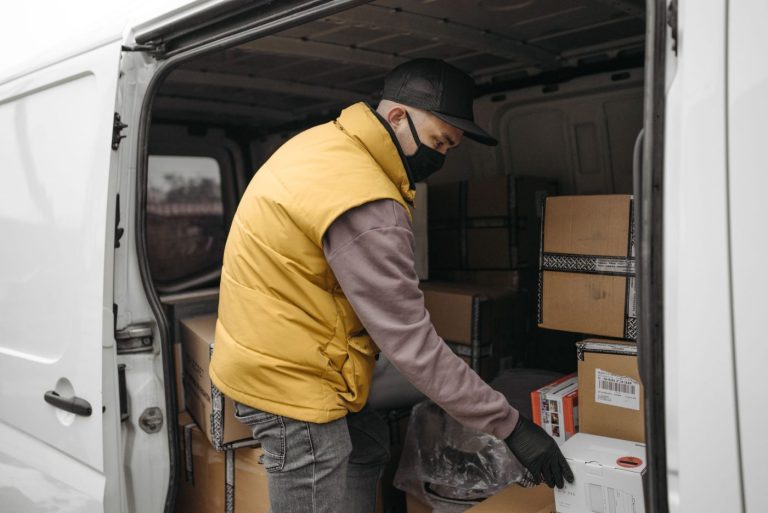
The loading order follows a logical sequence. Heavy furniture and large appliances go onto the truck first, secured with straps against the walls. Boxes fill the middle and top layers, with the heaviest boxes on the bottom and lighter ones stacked above. Fragile items, marked clearly, ride in a separate section or get a final layer of padding.
Your day will run on a predictable rhythm, usually in this order:
- The crew unloads moving blankets, dollies, and floor runners, then protects the main walkways, railings, and door jambs.
- Disassembly of beds, tables, and modular shelving begins while another team member starts carrying labeled boxes to the truck.
- Large furniture and appliances are wrapped, moved, and loaded onto the truck with the inventory tag recorded by the foreman.
- Once the truck is full, the foreman hands you the final inventory sheet and asks you to check every room, closet, and outdoor area one last time.
- You sign the bill of lading and inventory list, confirming the pickup, and the crew secures the truck doors before leaving for the destination.
At the new address, the process reverses. The foreman directs where each item goes based on your earlier instructions, and you check off each numbered tag against the inventory before the crew leaves.
FAQ
Should I tip the moving crew?
Tipping is not required, but it is a common way to thank a crew for careful, efficient work. Many people give $4 to $5 per hour per mover for a local job, or a flat amount for a long-distance move.
Can I leave clothes in the dresser drawers?
You can leave lightweight clothing in drawers if the dresser is sturdy and the drawers are secured with plastic wrap or straps. Remove heavy items first to prevent damage to the furniture and to make the piece lighter to carry.
What is the best way to pack framed pictures and mirrors?
Use a picture box or make one by sandwiching the frame between two flattened cardboard sheets. Tape the glass in an 'X' pattern with painter's tape first, then wrap the whole piece in bubble wrap before placing it in the box.
About the Author