Photo: RDNE Stock project, Pexels (Pexels License)
What breaks most often during a kitchen appliance move
Repair technicians see the same three failures after a move, and each one comes from skipping a simple step before loading the truck. The most expensive repair is a cracked dishwasher control panel, which happens when the front panel presses against a dolly strap or another item. A single impact on the top edge of the door can split the circuit board behind the touchpad.
Refrigerator glass shelves shatter when left inside the cabinet without tape or removal. The shelf rattles against the plastic brackets during transit, chips at the edge, and then cracks across the entire pane. Stove door hinges bend outward when the door swings open on a ramp or in the truck, catching the weight of the appliance.
You can prevent every one of these failures with the right preparation sequence:
- Remove all glass shelves from the refrigerator and wrap them individually in moving blankets, never stacked together
- Unplug the dishwasher and open the door to check that no water sits in the sump before you tilt it
- Lock the stove door closed with a ratchet strap wrapped around the body, not just painter's tape
- Place a sheet of rigid foam board over the dishwasher control panel and tape it at the edges only
- Never carry a refrigerator by its door handles, the plastic trim cracks under the full weight of the unit
How do I prepare a refrigerator for a move
Start by emptying the refrigerator and freezer completely at least 24 hours before moving day. Unplug the unit, leave both doors open and let all ice melt naturally. Wipe every interior surface dry with a clean cloth once the frost is gone, because trapped moisture can cause mold inside a sealed appliance during transit.
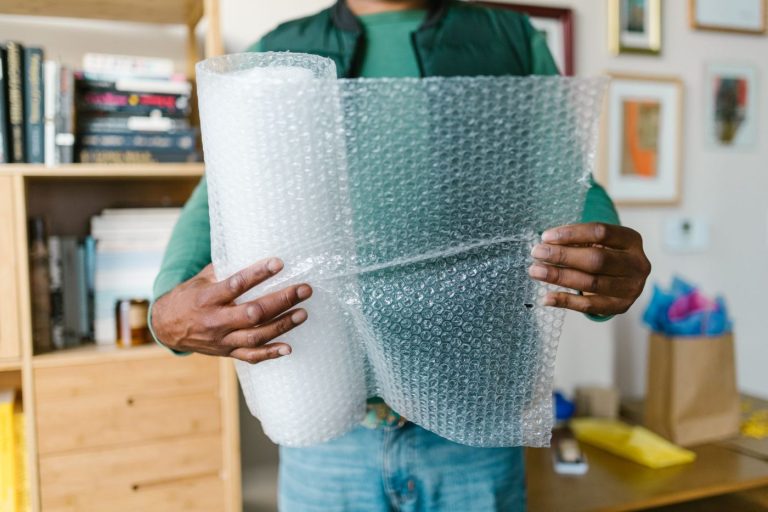
Remove all glass shelves, crisper drawers and door bins, then wrap each piece individually in packing paper or bubble wrap. Pack these loose components in a separate box labeled Fragile. Tape the power cord securely to the back of the fridge so it does not drag on the ground or catch under a dolly wheel. Close both doors and apply two strips of packing tape across each one to keep them shut.
Transport the refrigerator upright whenever possible. Laying a fridge on its side can let compressor oil flow into the cooling lines. When you plug the appliance in again, that oil can block the system and destroy the compressor. The only exception is when the manufacturer's manual explicitly states that horizontal transport is safe for that specific model.
What is the right way to secure a stove or range
Start by disconnecting the appliance safely. For an electric range, pull the plug from the wall, coil the cord and tape it to the back of the unit. For a gas range, have a licensed professional shut the valve and cap the supply line; never move a gas appliance with the line still attached.
Remove every loose part before the appliance leaves the kitchen. Take out the grates, burner caps, control knobs and drip pans, then pack them in a single box labeled “stove parts, open first.” Tape the oven door shut with a strip of painter’s tape that will not leave residue on the enamel. Slide out the racks, wrap them in paper and carry them flat so they do not warp.
Wrap the entire appliance in two moving blankets and secure them with packing tape or rubber straps, keeping the tape off the painted surfaces. If the range has a glass top, place a sheet of plywood or a flattened cardboard box over it before the blankets go on. Appliance technicians say the most common repair call after a move is a cracked cooktop from stacking items on top of the range during transit.
Can I move a dishwasher without calling a plumber
You can disconnect and move a dishwasher yourself if you follow the right sequence. The work involves shutting off the water, detaching two connections, and draining the machine. You do not need a plumber for a standard under-counter unit that already has a shut-off valve installed.
Start by turning off the water supply at the angle stop under the sink, then unplug the dishwasher or switch off the breaker. Place a shallow pan and towels under the front access panel. Unscrew the water inlet line from the fill valve and disconnect the drain hose from the sink tailpiece or garbage disposal. Water will spill from both lines; keep the pan in place.
Tilt the dishwasher back slightly and use a sponge or wet-dry vac to remove the water that pools in the sump area at the bottom. Leftover water sloshes during transport and can reach the control board behind the front panel on most models. Tape the door shut with painter’s tape and secure the power cord to the side of the frame so it does not drag. The dishwasher must travel upright. Laying it on its side or back directs residual moisture straight into the electronics.
What small appliances need special packing
Microwaves with glass turntables, stand mixers with tilt heads, and coffee makers with water reservoirs need internal padding. The glass plate inside a microwave will crack if it bounces against the cavity walls during a sharp turn. Remove the turntable and its roller ring, wrap each piece separately in packing paper, and tape the bundle to the inside shelf or pack it in a box labeled with the appliance name.
A stand mixer has a heavy tilt head that can swing open even if the locking lever feels tight. Fold a kitchen towel over the bowl cradle and lower the head onto it, then wrap a moving band or wide tape across the top to hold the head in place. Tape the cord to the body so it does not whip against the paint finish.
- Take out the glass turntable and roller ring from the microwave and wrap them in paper
- Drain the water reservoir of a coffee maker and let the internal tubes dry for 24 hours before packing
- Remove the bean hopper from a burr grinder and empty the grind chamber to keep grounds out of the motor
- Lock the tilt head of a stand mixer with a towel underneath and tape it down across the top
- Detach the mixing bowl, beaters, and dough hook and pack them in the same box as the mixer
- Pack a blender jar separately with a paper wrap around the blade assembly so it does not scratch other items
A coffee maker with a removable reservoir needs more than an empty tank. Water left in the internal tubes can leak during transport and soak the box from the inside. Run a brew cycle with just water the day before the move, then unplug the machine and leave the lid open overnight. For an espresso machine, remove the drip tray and wrap the portafilter separately. Pack the carafe upright in its own section of the box with crumpled paper around the glass walls.
Which cleaning step prevents the most damage
Moisture is the main enemy of an appliance inside a sealed moving truck. Even a small amount of water left in a drip pan or filter turns into humidity that corrodes electrical contacts and feeds mold. A bone-dry appliance travels safely, while a damp one often arrives with a musty smell or a short circuit.
The three spots that cause the most trouble are the refrigerator drip pan, the dishwasher filter and the stove drip bowls. Pull the fridge drip pan out from behind the lower grille, empty it and wipe it completely dry. Remove the dishwasher filter, rinse out any food particles and let it air-dry for at least four hours before you wrap it. Lift out the drip bowls under the stovetop coils, wash off all grease and dry them with a towel.
Leaving water in the dishwasher sump or the washing machine pump is a common mistake repair technicians see. After the final rinse cycle, tip the appliance forward slightly so the last pool of water drains out. Run a dry cloth through the interior drum and leave the door propped open for a full day before moving day.
How do I check appliances after the move
Let the refrigerator stand upright and unplugged for at least three hours before you connect it. During transport, compressor oil can flow into the cooling lines, and plugging it in too soon can damage the compressor. After the waiting period, plug it in and listen for a smooth, quiet hum rather than knocking or clicking. Check that both the freezer and fresh-food sections begin cooling within an hour.
Before lighting a gas stove, mix a small amount of dish soap with water and brush it onto every connection point from the supply line to the burner. Turn the gas on and watch for bubbles, which signal a leak that needs immediate tightening or a new fitting. Once the connections are solid, light each burner and verify the flame is steady and blue. A flickering yellow flame often means the burner cap is misaligned or the air shutter needs adjustment.
Run the dishwasher empty on a short cycle to confirm the water supply, drain, and heating element all work. Open the door mid-cycle and feel the water temperature; it should be hot, not cold. After the cycle ends, run your hand along the floor and cabinet base to check for moisture. A small drip at the supply line is easy to fix now but can warp flooring if left unnoticed.
FAQ
Do I need to defrost a freezer before moving it
Yes. A freezer with ice buildup will drip water inside the moving truck, which can soak into the wiring and cause a short. Defrost it at least 24 hours before the move and wipe every surface dry. Leave the door open for a few hours afterward so no moisture stays trapped.
Can I leave the power cord attached
You can, but only if you tape it securely to the back of the appliance so it cannot drag on the ground or get caught under a dolly wheel. A cord that snags during loading can pull the appliance off balance and damage the plug or the terminal block.
Is it safe to move a gas stove myself
You can move the stove itself, but disconnecting the gas line should be done by a licensed professional. An improperly capped gas line is a serious safety risk. Most moving companies will not touch the gas connection and will ask you to have it disconnected before they arrive.
What happens if I lay a refrigerator on its side
Oil from the compressor can flow into the cooling lines and block them. When you plug the fridge in, the compressor may overheat and fail. If you must lay it down, check the owner's manual first. After the move, stand the fridge upright and wait at least three hours before plugging it in.
About the Author