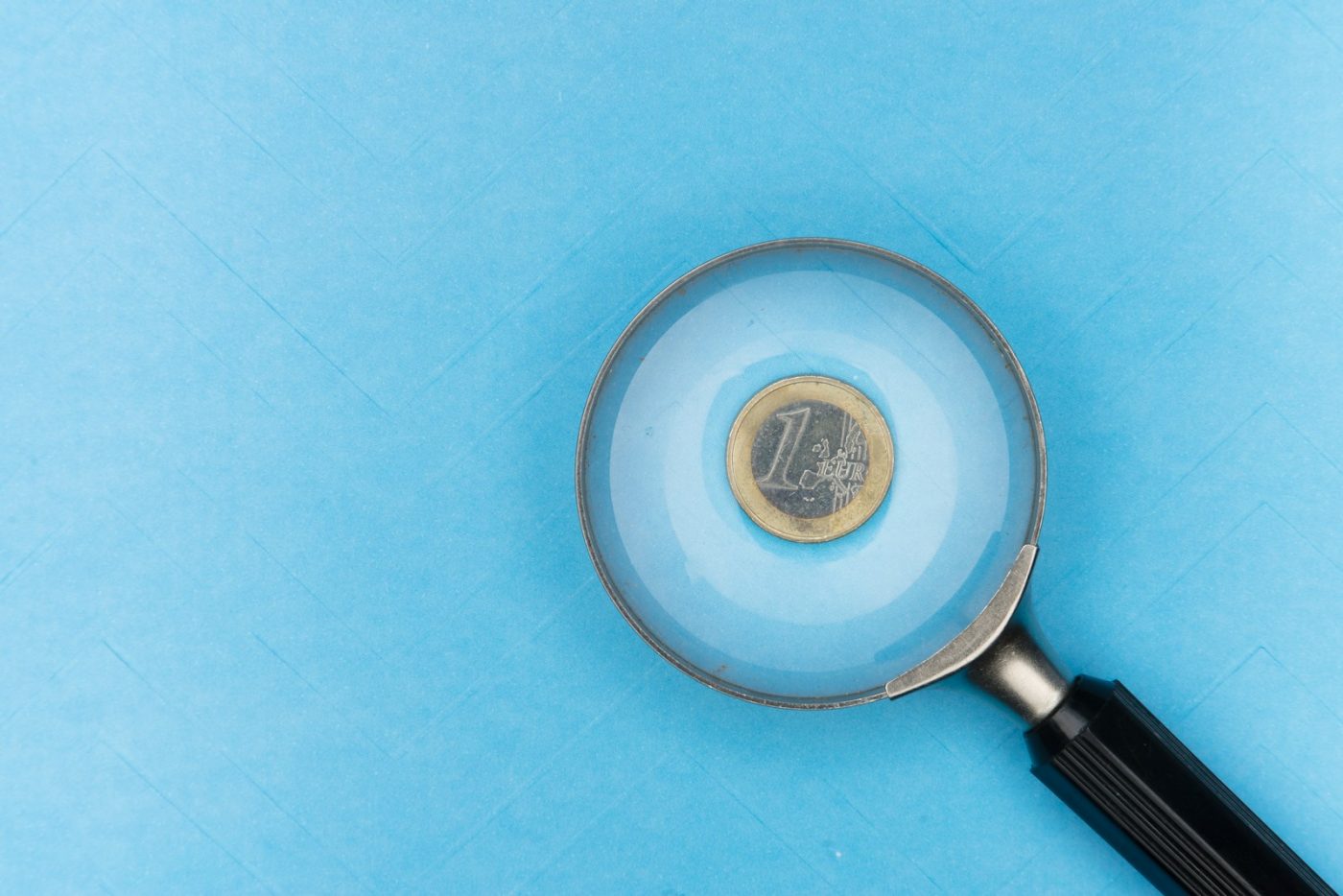
Photo: Markus Winkler, Unsplash (Unsplash License)
Why does a moving company need a coin collection valuation?
Standard moving insurance covers household goods by weight, typically around $0.60 per pound per item. A rare coin that weighs less than an ounce would receive only a few cents in compensation if lost or damaged. A separate valuation is the only way to protect your collection during a move, because of the gap between weight-based coverage and numismatic value.
A valuation serves two purposes. First, it gives your moving company a documented figure they can use to arrange full-value protection or a third-party rider that covers the collection at its appraised market worth. Second, it creates a baseline record of condition and authenticity before anything goes onto the truck. Without that record, proving a coin was damaged or switched during transit is far harder.
What factors determine a coin's value?
Four main drivers set a coin's market value, and an appraiser weighs all of them together. A rare date in poor condition can sell for less than a common date in superb condition, so no single factor tells the whole story.
- Metal content. Gold, silver, platinum and palladium coins carry a baseline melt value that tracks commodity prices. Pre-1965 US dimes and quarters, for instance, are 90% silver and never drop below their silver weight.
- Rarity and mintage. The fewer specimens struck or surviving, the higher the potential premium. Key-date coins with low original production numbers, such as the 1909-S VDB Lincoln cent, command far more than common dates from the same series.
- Condition and grade. Wear, scratches, cleaning damage and toning move a coin up or down the 70-point Sheldon scale. A one-point grade difference on a scarce coin can double or halve its insured value.
- Collector demand. Market trends shift over time. A series that is hot among registry-set builders today may cool off in five years, so current auction results matter more than old price guides.
A moving valuation for insurance normally uses the retail replacement value: the price you would pay a reputable dealer today for the same coin in the same certified grade.
How to do a quick preliminary sort at home
Start with a three-pile method on a clean, well-lit table. Separate every coin into one of these groups: common coins worth face value, bullion pieces valued for their metal content, and items that might carry a numismatic premium and need an expert opinion. This sort gives your mover a clear inventory and helps you decide what needs a formal appraisal for insurance.
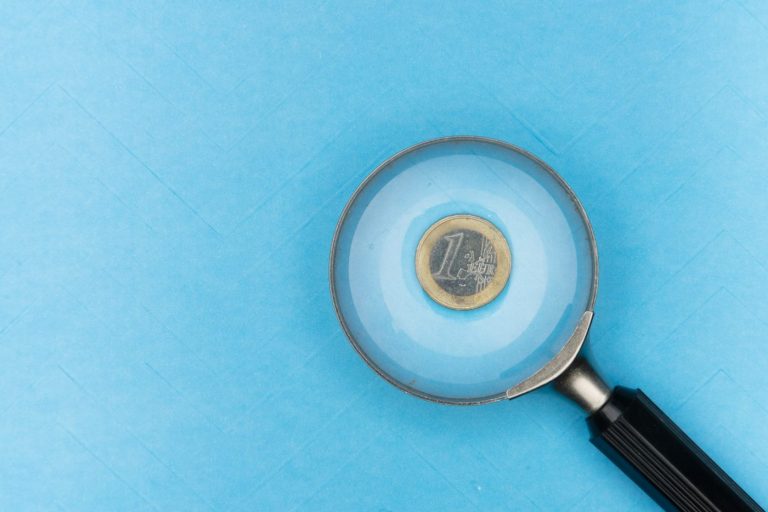
Handle each coin by its edges and lay them on a soft cloth to avoid scratches. A magnifying glass and a current coin catalogue will help you spot key details. Work steadily and set aside anything you are unsure about for the third pile.
- Pile one is for circulating coinage with no silver or gold content. These are worth face value and do not need special insurance coverage.
- Pile two holds coins struck in precious metal. Check the mint mark, weight, and fineness to estimate bullion value based on the current spot price.
- Pile three is for older coins, low-mintage years, and pieces with clear mint errors. Look for key dates and unusual features that can increase collector interest.
- Keep each pile in a separate labelled envelope or coin flip. Note the year, mint mark, and your first impression of condition for every piece in pile three.
Where can I get a certified coin appraisal?
A moving insurer will accept a documented value from a certified appraisal. You need a specialist who can distinguish between what a dealer would pay for a coin and the full replacement cost if it is lost or damaged during transit. A retail valuation is the price a dealer would pay you, while an insurance replacement valuation is the higher amount you would pay to buy an equivalent coin on the open market.
Reputable sources for finding a qualified appraiser include:
- The Professional Coin Grading Service (PCGS) and Numismatic Guaranty Company (NGC) both maintain online dealer directories searchable by state or province
- The American Numismatic Association offers a member directory of dealers and collectors who have agreed to a code of ethics
- Local coin clubs often have members who can recommend an appraiser familiar with regional auction results and private sale data
- A few large regional auction houses employ numismatists who provide written valuations for a flat or hourly fee
- Your homeowner's insurer may keep a short list of approved personal property appraisers with numismatic credentials
Ask the appraiser to prepare two figures on the final report: a fair market value for estate or tax purposes and a separate insurance replacement value based on current retail asking prices. The second number is what your moving coverage requires.
What documentation does the moving insurance require?
Most moving insurers ask for three documents that prove what you own and what it was worth before the move. You provide a signed appraisal report from a certified numismatist, a detailed inventory list you can prepare yourself, and a set of high-resolution photographs of the coins and their holders. Without these documents the carrier's liability often drops to the standard per-pound rate, which is useless for a collection.
A complete documentation package for the moving company typically includes:
- A signed and dated appraisal report on the appraiser's letterhead, stating the fair market value of each coin or the collection as a whole.
- A detailed inventory list with the coin type, year, mint mark, grade, and the serial number from the grading service slab for every certified coin.
- High-resolution digital photographs that show both sides of each coin clearly, plus a close-up of the grading label for slabbed pieces.
- A copy of the appraiser's professional credentials or membership in a recognized organization such as the American Numismatic Association.
- A written statement from you confirming that the listed coins are the ones being transported, signed and dated within 30 days of the move.
- The original purchase receipts or auction records if you have them, to support the appraised value.
Keep one complete set of these documents with you during the move and give a second set to the moving crew supervisor. The photographs are especially important because they show the condition of each coin at the time of packing, making any damage claim straightforward to settle.
How should I pack a valued coin collection for a move?
Treat each certified or high-value coin as a separate item. Place individual slabs, flips, or capsules into snug, single-layer rows inside a rigid plastic case or a small Pelican-style case with a pressure relief valve. Fill any void with inert foam so nothing shifts. For raw coins, use non-plasticized, PVC-free flips and never tape them directly to cardboard, as adhesive residue can cause permanent damage.
Seal the inner case with numbered tamper-evident tape and photograph the seal clearly before it leaves your sight. Write only the inventory code from your appraisal on the outside. Never write the words "coins," "collection," or "valuables" anywhere on the box. If you are moving locally, carry the core of the collection with you in a discreet bag rather than loading it into the truck. For long-distance moves, ship the sealed inner case inside a plain outer carton with signature-required, declared-value coverage through a carrier that insures numismatic property.
Put a printed copy of the certified appraisal inside the outer box, but not inside the sealed coin case itself. Keep a second copy in your personal carry-on bag. This gives the moving crew and any claims adjuster exactly what they need without exposing the contents during transit.
FAQ
Does standard moving insurance cover my coin collection?
Standard released-value protection covers items by weight, typically around 60 cents per pound, which is nowhere near the market value of rare coins. You need a separate declared-value rider backed by a recent professional appraisal to insure them properly.
What is the difference between a retail value and a wholesale value for coins?
A retail value is the price a dealer would sell the coin for, while wholesale is what a dealer would pay to buy it. For moving insurance, you want the retail replacement value, which reflects the cost to buy the same coin again in the same grade.
Can I use an online price guide instead of an in-person appraisal?
Online guides give you a ballpark figure, but most moving insurance policies require a signed report from a certified appraiser for high-value items. A price guide printout will not hold up during a claim if the condition or authenticity is disputed.
Should I carry my coin collection in the car instead of the moving truck?
Yes. If the collection is small and extremely valuable, carrying it with you personally is the safest option. Just confirm with your insurer that personal transport is covered and keep the collection in a locked, concealed container during stops.
About the Author