Photo: Fabian-Dück, Pixabay (Pixabay Content License)
What does winter weather do to an instrument?
Cold air holds little moisture, so indoor humidity in a heated home or truck cab can fall well below the 40-50% range that most wooden instruments are built for. At that level, spruce and maple tops shrink across the grain while the braces underneath do not, and the resulting stress shows up as sharp fret ends, a sunken top, or a crack along a glue joint. Lacquer and varnish turn brittle in the cold and craze if they warm up too fast.
Freezing temperatures are less damaging on their own than the swings around them. Every move from a warm room to a cold loading dock and back pushes wood, glue and finish to expand and contract at different rates. Solid-wood acoustics, cellos, upright basses and older pianos carry the most risk. Electronics in amps, keyboards and pickups can also collect condensation when they warm up faster than the air around them.
How should I pack a guitar or violin for a winter move?
The case matters more than the box. A hard shell case holds the instrument steady and keeps the bridge and neck from shifting. Loosen the strings about a whole step so cold does not add tension to the neck, and pack a small humidifier or a sealed bag with a damp sponge inside the case.
Pad the gaps so nothing moves when you shake the case gently. Fill the space around the body with crumpled paper or foam, wrap the headstock, and place the case in a rigid box with 2 inches of padding on every side. Label it "Fragile, keep upright, do not freeze" and mark which side is up.
- A hard shell case that fits the instrument
- Acid-free paper or foam for padding
- A case humidifier or a sealed bag with a damp sponge
- A rigid outer box with 2 inches of padding
- Fragile and keep upright labels
Can a piano be moved in freezing weather?
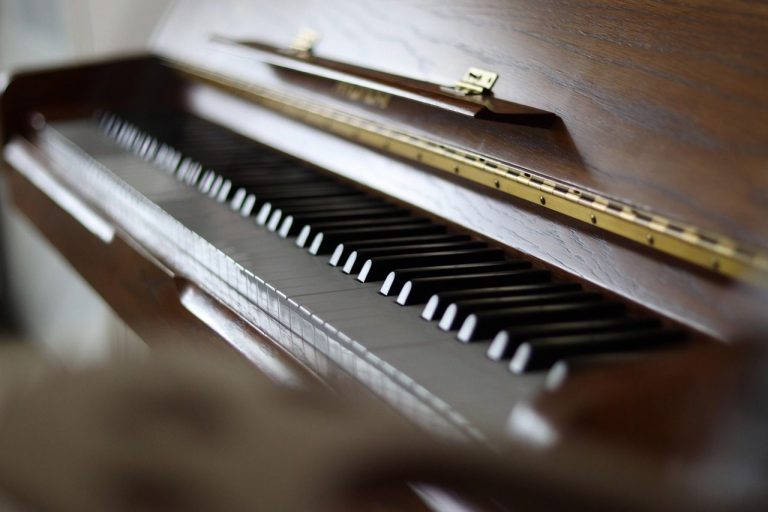
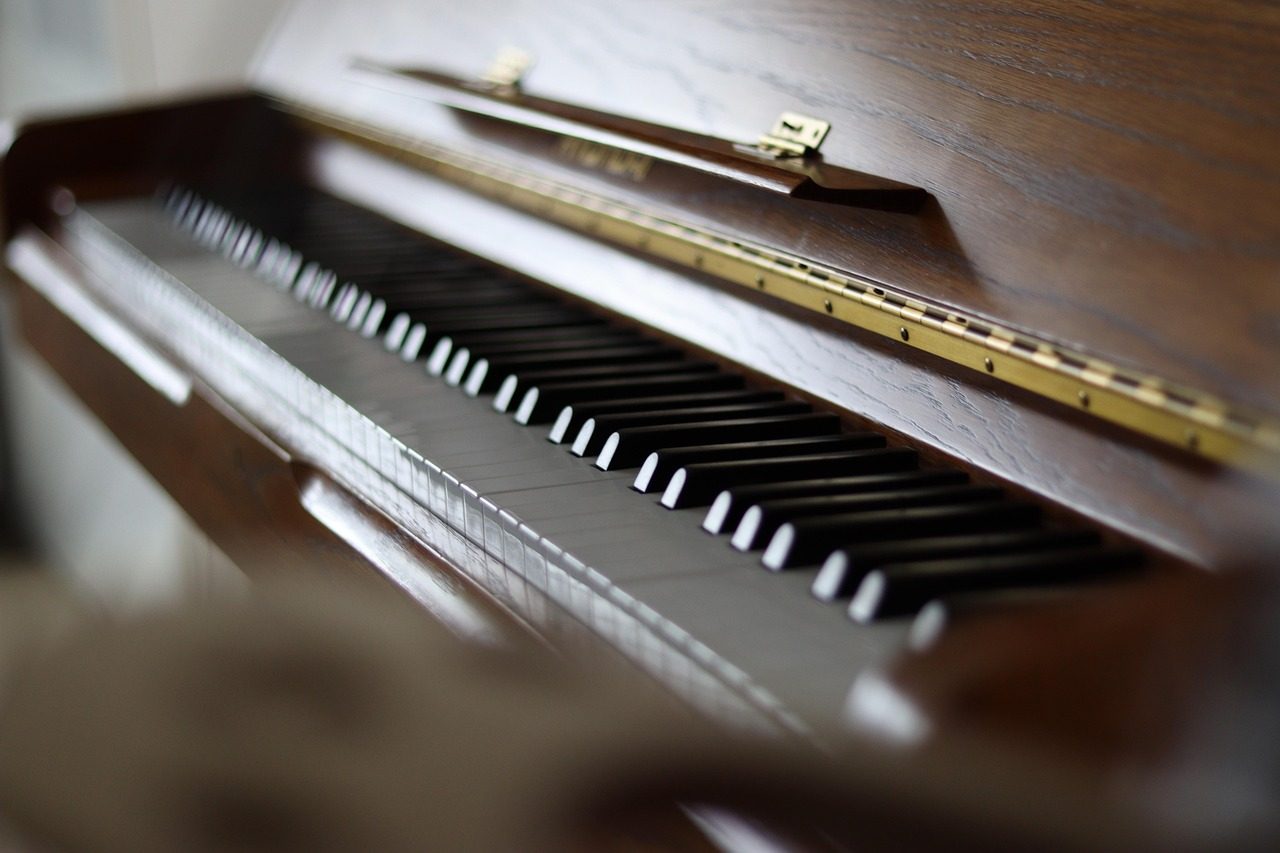
Yes, a piano can be moved in freezing weather as long as it spends only minutes outdoors and is wrapped before it leaves the building. Cold alone rarely damages a piano during a short transfer. The real risks are a sudden temperature swing, moisture on the strings and soundboard, and rough handling on ice or snow.
Tell your piano movers about every stair, tight doorway and turn on the route, and note the piano type and its weight class. Ask whether they use a climate-controlled truck and quilted pads. Book a tuning for two to four weeks after delivery, once the instrument has settled.
- Wrap the piano in moving blankets and shrink wrap before it goes outside.
- Keep the lid closed and cover the keyboard during loading.
- Salt or clear the path and ramp so no one slips under the load.
- Avoid moving a piano in active snow or freezing rain.
- Never leave the piano on a truck overnight in subzero cold.
How do I keep instruments at a stable temperature in the truck?
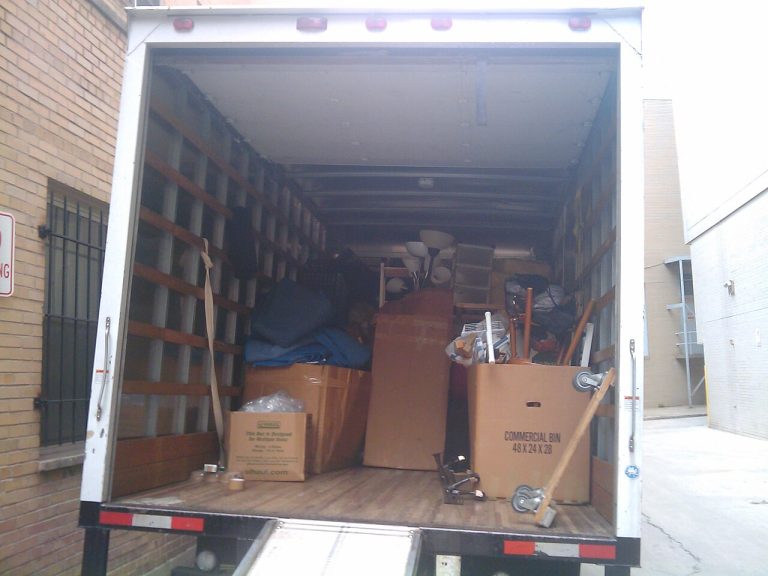
A climate-controlled van holds the cargo bay within a set range, while a standard truck only keeps out the weather. Ask the dispatcher whether the truck is heated and how the driver checks the hold overnight. On long routes, the cab heat does not reach the cargo box, so an unheated trailer can drop close to outside air within hours.
Place cased instruments away from the doors, the floor and the metal side walls, which conduct cold fastest. Stack them on a blanket or moving pad in the middle of the load and brace them so nothing shifts against them.
- Ask for the temperature range the van maintains, not just "heated".
- Confirm the driver checks the hold at each stop and overnight.
- Request no overnight parking without power for the heater.
- Put instruments in the load last and unload them first.
- Get the climate-control terms in writing on the estimate.
How long should instruments sit before I open the case?
Leave every case closed for at least 24 hours after it comes indoors, and longer when the truck was cold. Wood, glue joints and finish adjust to temperature and humidity slowly, and a case slows that change to a rate the instrument can survive. Opening it early lets warm, dry indoor air hit cold wood all at once.
Scale the wait to the gap between outside and indoors. Below freezing, plan on 24-48 hours for a guitar or violin and up to 72 hours for a piano or upright bass. Set the case in the coolest room, away from radiators, and leave it alone.
- Keep the case latched and move it to the coolest room first.
- Wait 24 hours when the outdoor temperature is near freezing.
- Wait 48-72 hours after a move in deep cold or snow.
- Place the case on the floor, never against a radiator or vent.
- Open the lid slowly and let the instrument rest before tuning.
Tune only after the instrument has settled, because cold strings and a shrinking neck can pull a fresh crack open.
What should I check before tuning after the move?
Wait until the instrument has adjusted to room temperature, then inspect it in good light before you touch the tuning pegs. Tensioning strings on a cold or cracked instrument can turn a small seam separation into a repair bill.
Check the visible structure first. Look for hairline cracks along the top and back, open seams at the edges, a bridge that has lifted or shifted, and pegs or tuning machines that feel loose or gritty. On guitars and basses, check the action, the neck relief and the electronics by plugging in. On violins and cellos, check the soundpost position through the f-hole and the fit of the bridge feet.
- Hairline cracks and open seams on the body
- Bridge height, angle and footprint
- Pegs, tuning machines and gear tension
- Neck relief and string action
- Electronics, jacks and pickup wiring
- Case lining, latches and humidity readings
Book a technician if you find any crack, a lifted bridge or a soundpost that has moved. Leave structural work to a luthier and let a piano technician handle a piano that sounds off after the move.
Which instruments need a specialist mover?
Harps, pipe organs, cellos, double basses and vintage or high-value pieces call for a specialist mover. A concert harp stands roughly 1.8 m tall and weighs 35-40 kg, and its frame and soundboard tolerate no flexing. Pipe organs are dismantled pipe by pipe and need an organ builder on site.
For any high-value instrument, arrange a written valuation before the move and confirm the policy covers musical instruments in transit, including cold-weather damage. Photograph the case and every seam, and keep the appraisal with the bill of lading.
- Ask whether the crew has moved that exact instrument type before.
- Confirm the truck is heated and the instrument travels upright and braced.
- Check that the policy names the instrument and its appraised value.
- Keep the original case, since a replacement rarely fits as well.
FAQ
Is it safe to move a guitar in below-freezing temperatures?
Yes, for short periods, as long as the guitar stays in a hard case with padding and humidity control. The risk comes from opening the case too soon in a warm room, which can crack the finish and stress the wood. Let it adjust slowly before tuning.
Should I loosen the strings before moving?
Most makers advise leaving strings at normal pitch so the neck and bridge keep their tension. Fully slackening strings can let the bridge shift and the soundpost move on bowed instruments. Ask your technician if the instrument has an existing repair.
Do I need climate-controlled transport for a digital piano?
A digital piano handles cold better than an acoustic one, but condensation on circuit boards is the bigger risk. A climate-controlled van or a heated cab reduces that, and letting the unit reach room temperature before switching it on protects the electronics.
How much does it cost to move a piano in winter?
Local piano moves usually cost a few hundred dollars, and long-distance moves are priced by distance, weight and access. Winter adds little unless stairs, snow or a long outdoor carry are involved. Get a written, itemised quote before booking.
About the Author