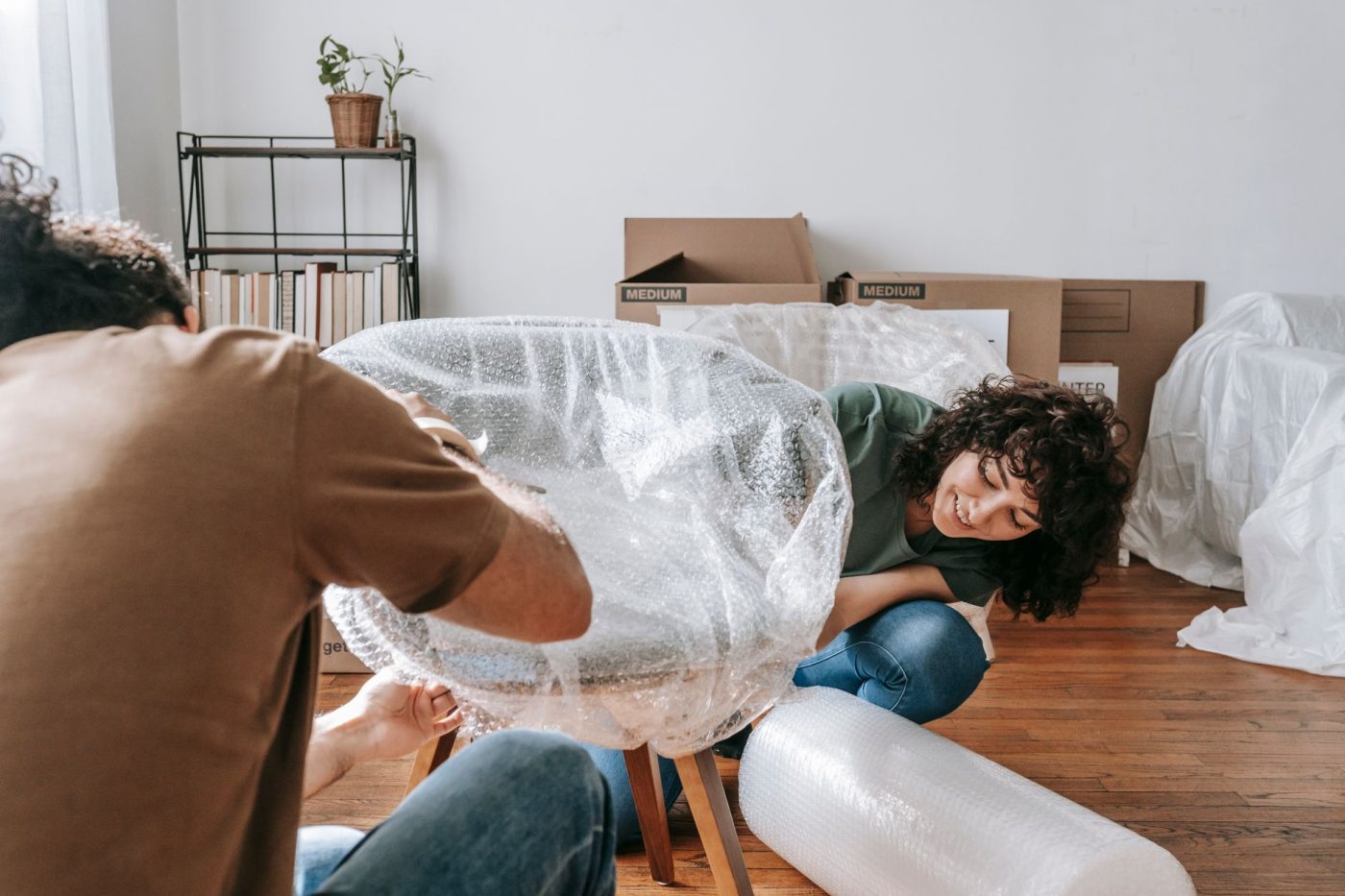
Photo: Blue Bird, Pexels (Pexels License)
What goes wrong when you move antiques yourself
Antique furniture and decorative pieces fail in predictable ways when moved without the right technique. Joints loosen, veneers crack, and original finishes get scratched, often because the item was lifted by a fragile part or slid across a rough surface. A Chippendale chair carried by its top rail can snap the back splat, and a marble-top table lifted by the stone instead of the base can crack the slab before it reaches the truck.
Vibration does the most hidden damage during a long drive. Unsecured drawers rattle and chew up their own runners, while stacked picture frames abrade each other through thin blankets. These mistakes lead to repair bills:
- Lifting a piece by its arms, top rail, or any decorative projection instead of the main frame.
- Sliding furniture across a truck floor or pavement without a sled or hardboard runners underneath.
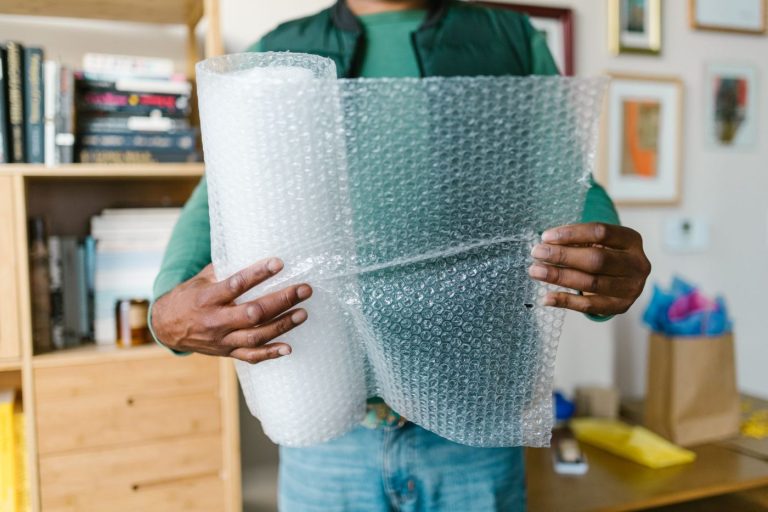
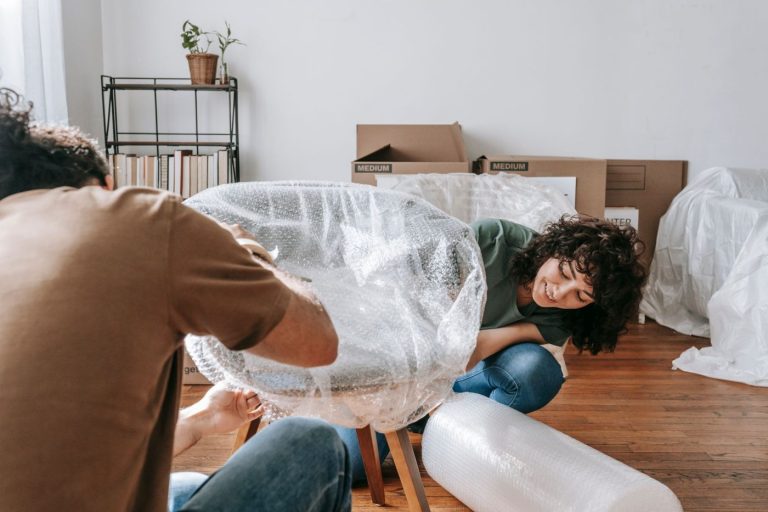
- Wrapping finished surfaces in bubble wrap without a soft barrier, which leaves a pattern of pock marks in the shellac or lacquer.
- Stacking flat items like mirrors and paintings face to face, causing scratches and broken glass from road vibration.
- Failing to remove keys, casters, and loose hardware, which then gouge the wood inside the moving truck.
Why standard moving insurance does not protect your antiques
Released-value coverage is the basic protection every mover must offer at no extra charge. It pays 60 cents per pound per item. For a 40-pound marble bust that means a check for $24 if it shatters, regardless of the $2,000 you paid for it. The carrier does not have to prove they were not negligent, and they will not.
An antique’s age works against you in a claim. Standard policies exclude items of extraordinary value unless they are specifically listed on the bill of lading before loading. If the paperwork says "wooden chair" and the leg snaps off your 18th-century Windsor, the adjuster sees a used chair and settles for its weight in scrap. Condition before the move matters too: a hairline crack that predates the trip becomes the reason the claim is denied, and you have no pre-move inspection report to prove otherwise.
- Released-value: 60 cents per pound, no proof of negligence required from mover
- Full-value protection: covers repair or replacement cost, but the mover can limit liability for high-value items
- Declared-value: you state a dollar amount and the premium rises with it, but the carrier can still dispute the item’s worth after damage
- Third-party rider: a separate policy from your insurer or a specialty underwriter that names the item and its appraised value
- Exclusion clauses: most policies void coverage for fragile antiques packed by the owner rather than the carrier
Packing materials that actually work for fragile old pieces
Household packing supplies from a hardware store are not built for century-old wood, gesso, or veneer. Standard newsprint transfers ink and acids that stain porous surfaces, while bubble wrap laid directly against bare wood can trap moisture and soften a finish during a long haul. Heavy antiques also settle through packing peanuts within the first hour of transit, leaving the piece unprotected against the box walls.
Conservation-grade materials keep the object stable and dry. Wrap the piece first in a chemically inert barrier, then cushion it with a shock-absorbing layer, and finally place it in a rigid container that does not flex under the load.
- Unbuffered acid-free tissue paper as the first layer against any painted, gilded, or unfinished wood surface.
- Double-wall corrugated cardboard boxes that hold their shape when stacked and resist puncture from inside corners.
- Ethafoam or polyethylene foam planks cut into corner blocks, which cradle legs and carved edges without pressing directly against thin sections.
- Furniture blankets with a non-woven inner face, used only over a tissue wrap so the blanket fibers do not snag loose veneer.
- Silica gel packets taped inside a sealed bag with small metal or paper items to buffer humidity swings during cross-country moves.
- Stretch wrap applied solely over a padded layer to lock padding in place, never directly onto a bare antique surface.
How to build a crate that survives a long-distance haul
Even a double-wall cardboard box transfers every bump and vibration directly to the item inside. A wooden crate with internal suspension isolates the antique from road shock. The frame takes the abuse while the piece floats on a cushion of foam that absorbs the energy before it reaches the furniture.
Start with a half-inch plywood base cut four inches larger than the footprint of the piece on all sides. Bolt the antique to the base through its existing leg mounts or, for pieces without legs, use padded L-brackets screwed into a solid part of the frame. Never run a screw into a finished surface. The base becomes the anchor point that prevents the item from shifting forward under hard braking.
Build the outer shell from three-eighths-inch plywood sides screwed to the base and to each other at the corners with two-inch wood screws every six inches. Line every interior face with two inches of closed-cell polyethylene foam, the firm grey type that does not compress over a long haul. Cut separate foam blocks to brace legs, leaves, and glass panels so that no hard point touches the crate wall. A glass door needs its own foam sleeve that holds it in place without pressing against the frame of the cabinet.
The lid gets the same foam lining and screws down last. Test the crate by pushing it hard across a concrete floor before the truck arrives. If you hear anything shift, open it up and add foam until the piece is silent. A properly built crate weighs more than the furniture itself, but a repair bill for a snapped leg or shattered glass costs more than the lumber.
The paperwork you need when an antique crosses a state or national border
Moving an antique across a state line or international border without the right documents can cause delays, fines, or customs to hold the item. A professional appraiser’s report from an accredited organization, such as the American Society of Appraisers, establishes the item’s age, origin, and fair market value. Border officials use this report to confirm the piece is at least 100 years old and meets the legal definition of an antique, not a modern reproduction subject to different duties.
You also need a detailed condition report backed by high-resolution photographs taken within a few days of the move. Each photo should be dated and show the piece from multiple angles, with close-ups of any existing cracks, repairs, or wear. This record protects you if a dispute arises later about damage from the trip. For international moves, customs forms must reference the Harmonized System code for antiques, which is 9706.00, and you may need a certificate from the country of origin confirming the item was legally exported. Without that certificate, customs can seize the piece on suspicion that it is stolen or trafficked cultural property.
When a professional mover costs less than a DIY repair
Restoring a single dropped Chippendale chair leg can cost $400 to $1,200. Veneer repair on a Victorian chest often starts at $300 and climbs fast if the substrate cracks. These figures sit on top of what you already spent on materials: a sheet of furniture-grade plywood for a crate runs $45 to $70, brass screws and corner brackets add another $25, and high-density foam or Ethafoam planks easily reach $60 for one medium piece. Rental of a furniture dolly and a truck with air-ride suspension adds a few hundred more, and none of that includes your time.
White-glove carriers quote by the piece for high-value antiques. A single item crated, insured for declared value, and moved across three states might fall between $800 and $1,500 depending on distance and access. That number already bundles the crate, the labor, the fuel surcharge, and the full-value insurance that a rental truck policy will not provide. When the DIY material and rental costs approach $500 and the potential restoration bill starts at $600, the math tilts in favor of the specialist.
Liability changes the comparison further. A mover with an antiques endorsement carries coverage that pays out based on appraised value, not weight. If a marble-top console snaps in transit on your own trailer, you absorb every dollar of the loss. A single incident can erase any upfront saving and leave you with a broken heirloom and no recourse.
FAQ
Can I wrap an antique wooden table in moving blankets and call it done?
Moving blankets protect against scratches but do nothing for joint stress or vibration. A leg or a leaf can still twist inside the blanket on a long drive. Wooden furniture needs internal bracing and a rigid outer shell to keep every joint stationary.
Will my homeowners insurance cover a broken antique during a move?
Most homeowners policies exclude damage that happens while an item is in transit, especially if you packed it yourself. You need a separate inland marine policy or a mover's full-value protection, and the item must be appraised beforehand.
Is it legal to move antique ivory or tortoiseshell across a state line?
Federal law restricts the interstate sale and transport of certain endangered species materials. You may need a pre-ban certification or a CITES permit. A professional mover who handles antiques can tell you what paperwork applies before the item leaves your home.
About the Author