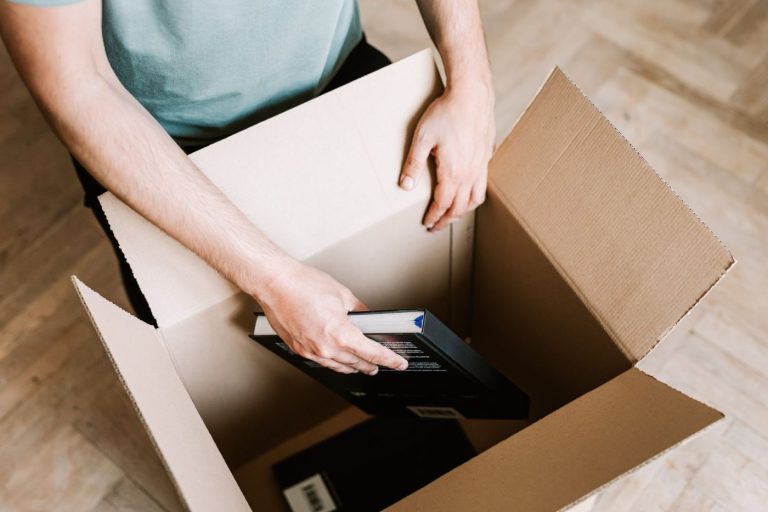
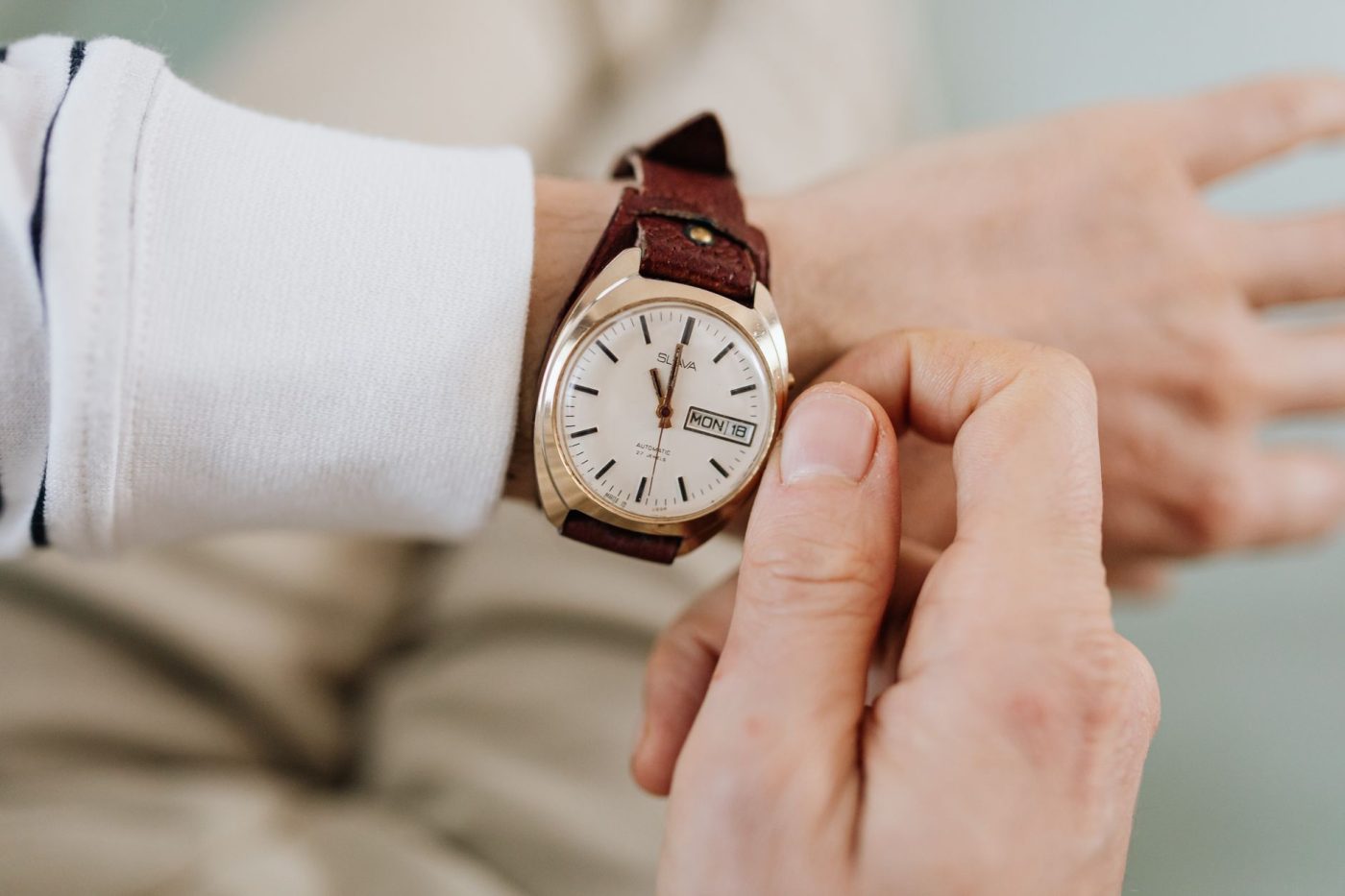
Photo: kaboompics.com, Pexels (Pexels License)
What is the safest way to pack a single watch for a move?
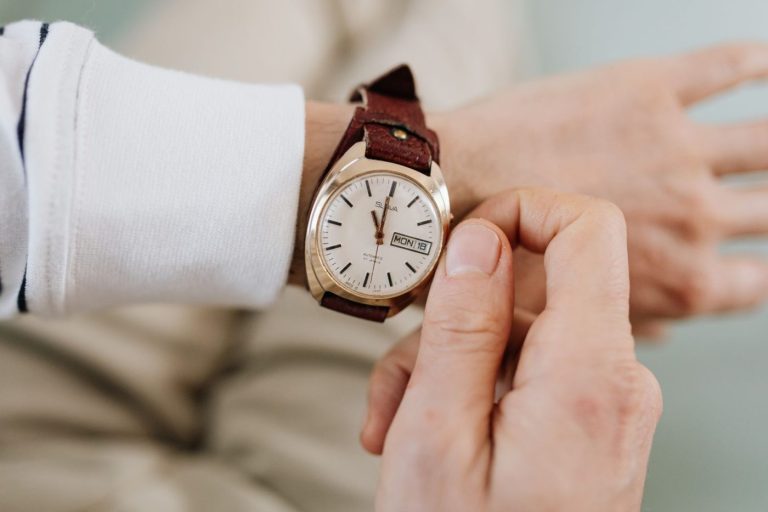
Each watch gets its own protective container, never grouped loose in a box. Stop a mechanical watch first so the rotor does not spin freely during vibration. For a quartz watch, pull the crown to the time-setting position to cut power and save the battery.
Wrap the watch head and the bracelet or strap separately with a soft, non-abrasive fabric. Microfiber cloth or a clean jeweler’s polishing cloth works well. Paper towels can leave fine scratches on polished surfaces over a long trip, so avoid them for direct contact.
- Stop a mechanical movement before packing to protect the rotor and balance staff from constant shaking.
- Remove the bracelet or strap and wrap it separately so the metal links cannot rub against the case.
- Cover the watch head in a layer of microfiber cloth, then a second layer of soft foam or bubble wrap.
- Place the wrapped watch in a rigid box, such as a cardboard jewelry box or a hard plastic case, with extra cushioning on all sides.
- Fill any empty space with foam peanuts or crumpled packing paper so the bundle cannot shift or rattle.
- Tape the box shut and label it clearly with the watch brand or reference number.
If the watch has a high complication or a vintage acrylic crystal, add a note on the outer box so anyone handling it treats that piece with extra care. A rigid container with zero internal movement is what prevents impact damage during a move.
Which packing materials prevent scratches and shock?
Start with a soft, lint-free layer that touches the watch directly. A clean microfiber cloth or a sheet of acid-free tissue wraps around the case and bracelet without leaving fibers or residue. This first layer stops micro-scratches if the watch shifts inside its box during transit.
Wrap the watch in a sheet of polyethylene foam, the kind with a smooth closed-cell surface. Cut the foam so it folds over the crystal and lugs twice, then secure the bundle with low-tack painter's tape, never with tape touching any metal or glass. Place the wrapped watch inside a rigid double-wall cardboard box, pick a size that lets you add at least one inch of shock-absorbing fill on all six sides. Crushed kraft paper or corrugated cardboard inserts work well here because they collapse gradually under impact without transferring force to the watch.
Avoid bubble wrap laid directly against the crystal. The plastic can trap humidity and, in a hot truck, leave faint marks on sapphire or mineral glass. Never use newsprint because the ink transfers to straps and porous metals. Loose-fill packing peanuts shed fine dust that works its way into crown threads and bracelet links, so leave them out of any box holding a watch.
How do you move a watch winder or a full collector’s cabinet?
Remove every watch from the winder or cabinet before the moving crew touches the furniture. Even a short trip over a speed bump can throw an unsecured watch against a wooden interior wall or another timepiece. Pack each watch individually, following the same method you would use for a single piece, and place the filled watch rolls or cases in a separate, clearly labeled box that stays with you during the move.
For a motorized winder, unplug the unit and tape the power cord to the back panel so it does not drag or catch on door frames. If the winder has rotating cushions or drums, lock them in place with the built-in stops if the manufacturer provided them. When no locking mechanism exists, wrap a strip of low-residue painter’s tape around each cushion to prevent it from spinning freely during transit.
Treat a full collector’s cabinet the same way you would fine furniture. Secure drawers and glass doors with soft furniture straps or moving bands so they cannot slide open. Wrap the entire cabinet in thick moving blankets, tucking the edges under the base so the fabric stays put, and run two ratchet straps around the body to hold the padding tight. Keep the cabinet upright at all times inside the truck and strap it to the side wall. Never stack other items on top.
Does temperature affect watches during a move?
Yes, extreme heat or cold can damage a watch during a move. Most mechanical watches use synthetic lubricants that thin out in high heat and thicken in freezing temperatures. A car parked in direct sun on a summer day can reach 130 °F inside within an hour, which is enough to degrade those oils and cause metal parts to wear faster. At the other extreme, sub-zero cold can shrink rubber gaskets and let moisture sneak past the seals.
Quartz watches are a bit tougher, but the battery chemistry also suffers in extreme cold and the LCD display on a digital model can go blank until it warms up again. Keep the whole collection in a stable range, roughly 50 °F to 80 °F, from the moment you pack until you unpack at the new home.
The easiest precaution: never leave a box of watches in a parked car or an unheated moving truck for hours. For the longest leg of the trip, put the packed watch box inside a soft insulated cooler bag, the kind you would use for groceries. The bag acts as a buffer and slows down temperature swings without adding much bulk. Just make sure the watches are already sealed in their own protective cases so the cooler does not introduce any moisture.
Should you use the original boxes and papers?
Original boxes and papers protect a watch on a shelf, but they were not designed for the vibration and drops of a moving truck. Most factory boxes hold the watch on a rigid pillow that can transmit shock directly to the case and movement. A hard jolt can leave a rotor bearing or a balance staff damaged even when the outside of the box looks perfect.
Keep the original box as proof of authenticity and for future storage. For the move itself, place the closed original box inside a larger shipping carton with at least two inches of foam, crumpled kraft paper or bubble wrap on all six sides. This extra layer absorbs energy before it reaches the inner box. Never stack watches in a single carton without individual cushioning between them.
Papers, warranty cards and service records travel best in a separate document sleeve or a waterproof zip bag inside the same outer carton. Taping them to the watch box can leave adhesive residue or creases that hurt resale value.
What paperwork and photos do you need before the move?
A detailed visual record and a printed inventory are your strongest tools if a watch gets lost or damaged. Take clear, dated photos of every watch from multiple angles: the dial, the case back showing the serial number, the bracelet or strap, and any distinctive marks. Store a copy in the cloud and keep a second copy on your phone so you can access it immediately.
For a local move, a simple spreadsheet with the brand, model, serial number, and a brief condition note is usually enough. If your move crosses the US, Canada border, customs officers can ask for proof of ownership. Carry purchase receipts, credit card statements showing the transaction, or a recent appraisal document for any watch valued above your personal exemption limit. A printed inventory list with corresponding photo file names lets you confirm every piece arrived safely.
- Take dated photos of the dial, case back, clasp, and any visible wear marks
- Record the serial number and model reference in a spreadsheet or note
- Print a simple inventory with brand, model, serial number, and condition
- Carry purchase receipts or an appraisal for cross-border moves
- Keep a digital copy in the cloud and a paper copy with your travel documents
- Confirm every watch against the list before the crew leaves the new home
FAQ
Can I leave my automatic watch running during the move?
You can, but most collectors stop the movement. A running watch adds slight wear, and a sudden knock while it is running could theoretically stress the balance staff. Pull the crown out to hack the movement, then wrap the watch so the crown stays protected.
Is it safe to ship a watch collection instead of moving it myself?
Yes, when you use a carrier that specializes in high-value items and insure the shipment for the full appraised value. Pack each watch as if it will be dropped from waist height, and never write the contents on the outside of the box.
How do I keep watch crystals from getting scratched in transit?
Place a single layer of soft, lint-free microfiber cloth directly over the crystal, then wrap the whole watch head in acid-free tissue. The key is to prevent any harder material from rubbing against the crystal when the box vibrates during the drive.
What should I do right after the move before wearing the watches?
Let the watches sit at room temperature for a few hours, especially if they traveled through cold or hot weather. Wind and set them, then check that the hands move freely and the date changes correctly. If a watch took a hard knock, have a watchmaker inspect it before regular wear.
About the Author