Photo: kaboompics.com, Pexels (Pexels License)
What size box should I use for books?
A small box is the only safe choice for books. A standard 1.5-cubic-foot moving box, roughly 16 by 12 by 12 inches, keeps the load manageable. Larger boxes become dangerously heavy and are almost certain to break.
Books are dense. A box holding a few novels can easily weigh 40 to 50 pounds. If you fill a medium box, the bottom can tear out when you lift it, and the box itself risks straining you or your movers. Stick to the smallest book box you can find and fill it only two-thirds full if the books are large-format or hardcover.
Most moving supply stores and truck rental desks sell specific book cartons that are shorter than standard small boxes. These are ideal because they keep the load light. If you are using free grocery or liquor store boxes, choose only those with thick, double-wall cardboard and reinforce the bottom seam with packing tape before you add a single book.
What is the best way to place books in a box?
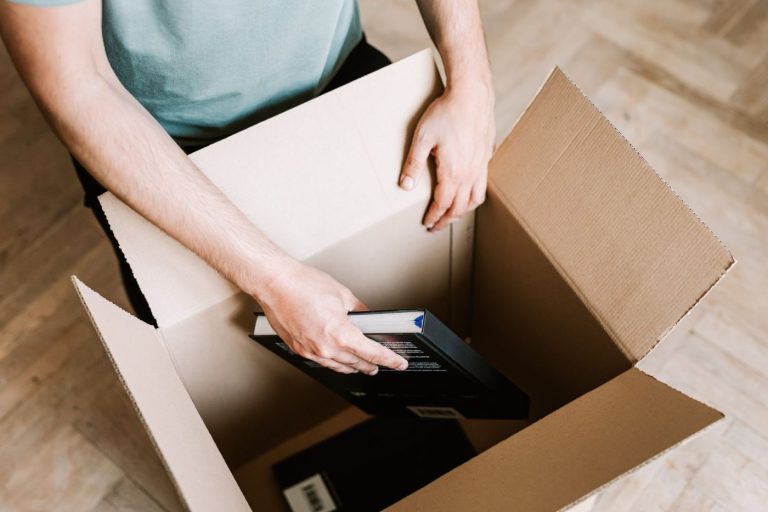
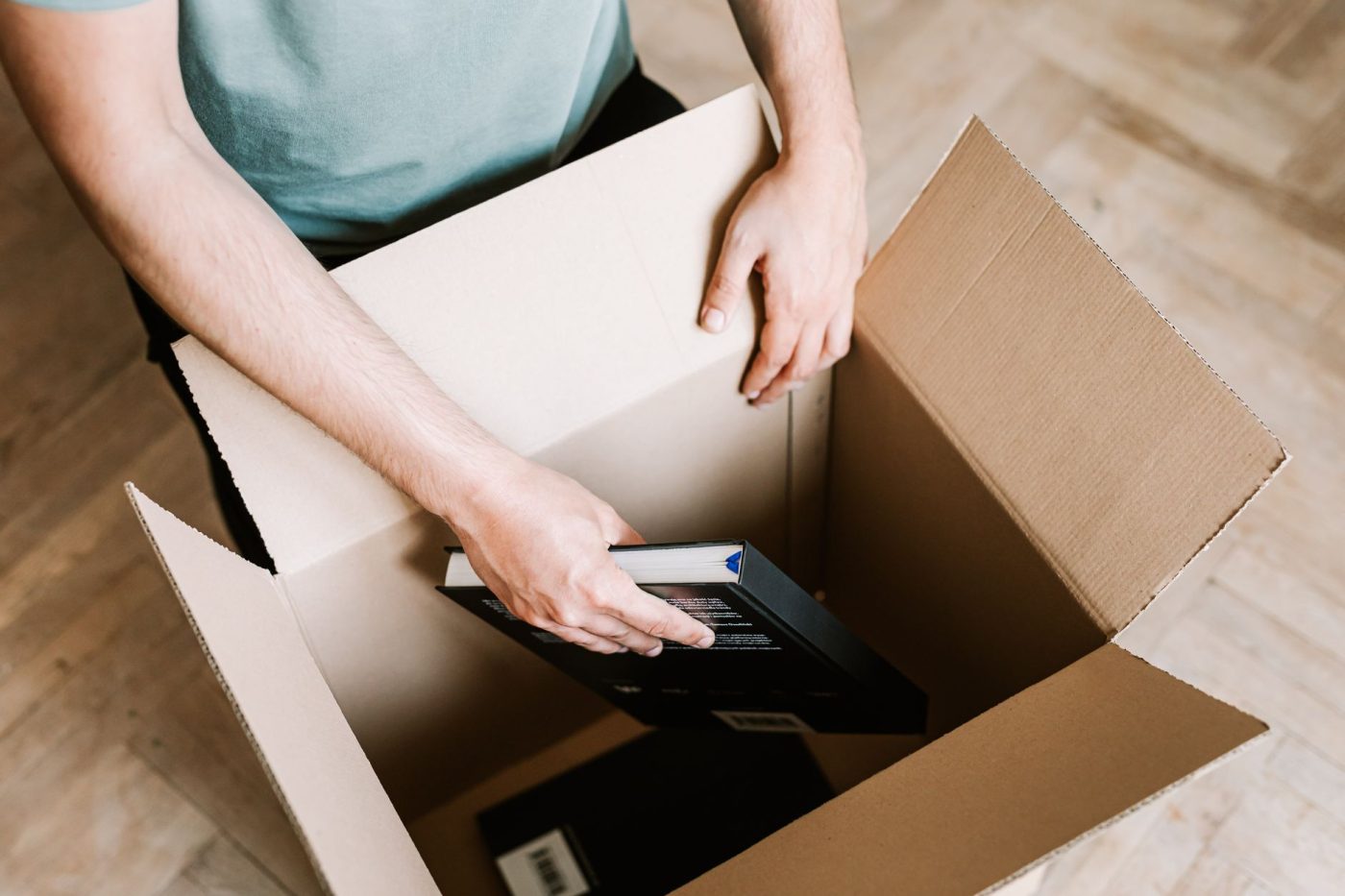
Books create a dense, rigid load, so fill the box completely without leaving air pockets that let the contents shift during transit. A tight pack protects spines and pages from bending or tearing. Three reliable methods work for different book sizes and box shapes.
- Lay standard paperbacks flat in stacks of three or four, with the largest and heaviest books at the bottom of the box.
- Pack hardcovers spine-down against the bottom of the box to prevent pages from sagging away from the binding.
- Stand books upright with the spine touching the box wall. This method suits uniform-sized books packed in rows.
- Alternate the spine direction of upright books from one row to the next so the stack stays level and no single corner takes all the pressure.
- Fill narrow gaps along the sides with small paperbacks or folded packing paper, never by forcing a book in at an angle.
- Place a sheet of clean packing paper between books with gilded edges or delicate covers to stop friction damage.
A full box should have no movement when you gently shake it. If you hear or feel books shifting, add more filler along the edges rather than stacking higher, because an overloaded box becomes too heavy to carry safely.
How do I protect valuable or hardcover books?
Hardcover books and valuable editions need an extra layer of care because their spines can crack and corners can get crushed under weight. Wrap each dust jacket in clean packing paper before you place the book in the box. The paper stops the jacket from slipping and keeps edges from scuffing against neighboring books during transit.
For oversized volumes, slip a piece of cardboard between every few books to act as a flat, rigid divider. The divider spreads pressure evenly across the covers, stopping one heavy book from digging into the spine of the next. Fill any remaining gaps in the box with crumpled packing paper so nothing shifts when the box is lifted or stacked.
What packing materials do I need?
Gather the right supplies before you start to prevent rushed decisions and damaged books. You need a few specific items, and most are available at hardware stores or moving supply outlets.
Avoid using newspaper or any printed paper as padding. The ink transfers easily to book covers and pages, especially when boxes sit in a warm truck or storage unit for several days.
- Small double-wall boxes. Standard 1.5 cubic foot moving boxes work well. Double-wall construction gives you the burst strength needed for dense book weight.
- Plain packing paper. Use clean, unprinted paper to wrap dust jackets and fill small gaps. Acid-free paper is a safe choice for older or collectible volumes.
- Packing tape. A 2-inch-wide tape with a strong adhesive seals the bottom and top seams securely. Avoid masking tape or thin office tape, which fails under the load.
- Permanent marker. A bold, dark marker labels each box clearly with its contents and destination room.
- Bubble wrap or cardboard sheets. Use either material as an extra layer between valuable hardcovers and the box wall.
How do I seal and label book boxes correctly?
Book boxes need a strong seal because the dense weight presses constantly on the bottom. Use heavy-duty packing tape, not duct tape or masking tape, and run three strips across the bottom seam. One strip goes directly along the seam, and the other two run parallel about an inch to either side, wrapping at least four inches up the sides of the box.
Before sealing the top, lift the box a few inches off the floor to test the weight. A box of books should not exceed 40 pounds. If it strains your arms, repack some books into a second box. Once the weight feels manageable, close the flaps and tape the top seam the same way you taped the bottom. Run a strip of tape along every edge where the flaps meet the box body, because book boxes often shift during transit and corners can split under pressure.
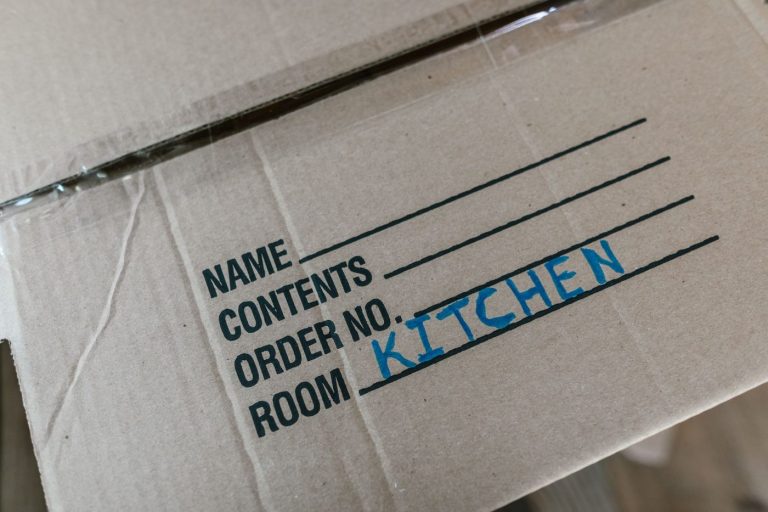
Label each box on the top and one side with a permanent marker. Write the room destination in large letters, such as "Home Office" or "Living Room," and add a short note like "Hardcovers" or "Cookbooks" so you can prioritize unpacking. Never stack labeled book boxes more than four high, and always place them on the truck floor rather than on top of lighter items.
FAQ
Can I pack books in suitcases or rolling luggage?
Yes, but only a few. Books are dense, so a full suitcase quickly exceeds airline weight limits and becomes hard to maneuver. Use luggage for a handful of heavy volumes and pack the rest in small cardboard boxes.
Should I use bubble wrap for books?
Bubble wrap is not necessary for most books. Packing paper is enough to fill gaps and prevent shifting. Reserve bubble wrap for rare or antique books that need extra cushioning against bumps.
How many books can I put in one box?
Fill the box without forcing books in. If you have to press down to close the flaps, the box is overpacked. A standard small moving box typically holds 20 to 30 average hardcover books before reaching a safe weight.
About the Author