Photo: Tima Miroshnichenko, Pexels (Pexels License)
When should you get antiques valued before a move?
Book an appraisal 6-10 weeks before packing day. A written valuation takes time to arrange, and movers need it in hand before they load anything, because a claim for damage is built on the value you documented before the move, not after.
A valuation done after the move carries far less weight in a claim. Once a piece has been handled, packed or scratched, an appraiser can no longer confirm its pre-move condition, and the carrier will argue the damage existed already. Insurers and movers both treat a pre-move appraisal as the reference point.
Start earlier if you own several pieces or anything unusual. A single appraisal visit is usually enough for a household, but rare items may need a specialist, and specialists often book weeks ahead. Use this checklist to plan the timing:
- At 10 weeks out, contact an appraiser and confirm the visit date.
- At 8 weeks, gather receipts, certificates and past appraisals.
- At 6 weeks, receive the written valuation and photograph each piece.
- Before packing day, give a copy of the valuation to your mover.
What should you do before the appraiser arrives?
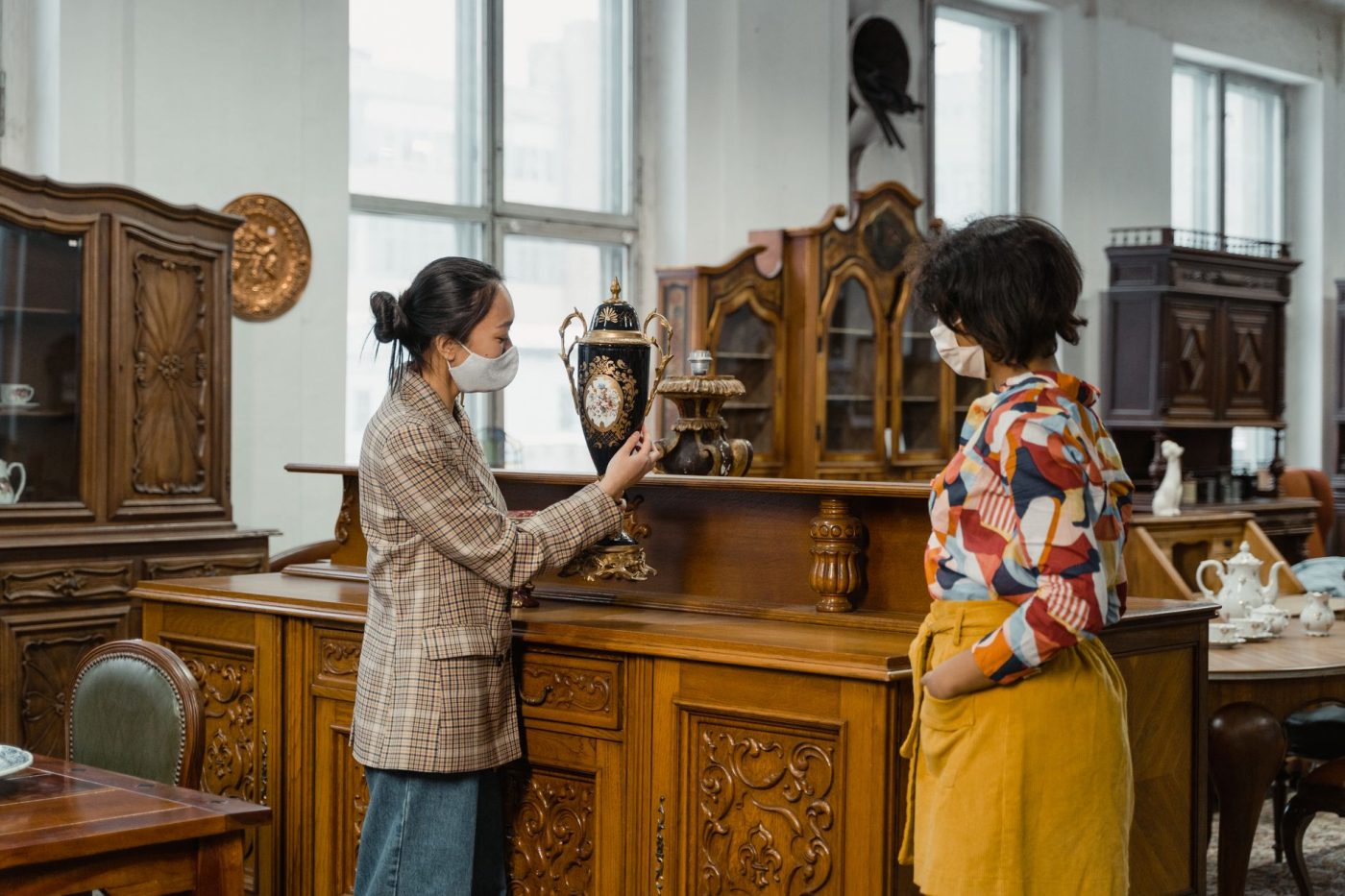
Preparation shapes how accurate the appraisal will be. An appraiser who can see every piece, its marks and its paperwork gives you a written value you can hand to a mover or an insurer. Rushing the visit usually means a second appointment and a second fee.
- Collect receipts, auction slips, probate inventories and any family notes that mention the piece.
- Dust with a soft cloth and skip polish, wax or oil, since residues hide finishes and confuse dating.
- Photograph maker's marks, signatures, labels and existing chips or cracks before anything is touched.
- Move pieces into daylight near a wall outlet, with rugs rolled back and shelves cleared.
- Write one line per item: what it is, where it came from and when your family acquired it.
Keep the photographs and notes together in a folder. The appraiser can then compare condition before and after the move, which matters if you file a claim.
Which documents does an appraiser need?
Any paperwork that traces the piece's history or its price helps the appraiser reach a firmer figure. Gather these items before the visit and keep them together in one folder.
- Purchase receipts or invoices showing what you paid and when.
- Prior appraisals, especially ones done for insurance in the last ten years.
- Estate or probate papers if the piece came from an inheritance.
- Provenance letters, auction records or bills of sale from earlier owners.
- Restoration records from a workshop, with dates and a description of the work.
If you have none of these, the appraiser can still work from the object itself. Clear photos of maker's marks, labels and signatures on the underside or back of each piece speed up identification, so take them with your phone before the appointment.
What makes an antique worth more or less?
Value rests on six things an appraiser can point to: who made the piece, its condition, whether the finish is original, its documented history, how rare it is, and whether buyers want that category right now. A signed piece in untouched condition with a paper trail will always outsell an anonymous copy in the same room.
These factors push a valuation up:
- The maker is documented, named or stamped, and the piece appears in that workshop's records.
- The original finish, hardware and upholstery survive, since replacement parts cut value even when they look better.
- Provenance is papered: receipts, estate inventories, auction catalogues, family letters that name the item.
- The category is rare or in demand, such as case furniture by a known cabinetmaker or art pottery with a following.
- Damage is minor and stable, so the piece can travel without further loss.
Restoration, replaced veneer, reproduction hardware, faded labels and weak demand for the category all lower the figure. An appraiser compares your piece with recent sales of similar examples, then adjusts for these gaps.
What will the appraiser tell you about insuring the move?
Standard carrier liability pays by weight, not by value. Under US interstate rules, full value protection is the default, but released value coverage costs less and pays roughly 60 cents per pound per article. A small antique clock could therefore be covered for a few dollars regardless of what it is worth. Canadian movers use a similar weight-based system.
Ask whether your appraisal states replacement cost, which covers buying a similar piece today, or fair market value, which reflects what a buyer would pay secondhand. Insurers and movers settle claims differently depending on which figure the document shows, so the wording matters.
For high-value pieces, the appraiser will likely recommend a separate floater on your homeowner or renter policy, or declared value coverage listed item by item on the mover's inventory. Photograph each piece, keep the appraisal with your moving file, and confirm the coverage in writing before loading day.
How do you choose an appraiser you can trust?
Look for a credential from a recognised appraisal body, such as the American Society of Appraisers, and ask whether the appraiser specialises in your kind of object. Someone who values estate jewellery may not be the right person for period furniture or folk art. A written report should state the purpose of the valuation, the method used, the condition of each piece and the effective date.
Fees should be charged by the hour or as a flat rate. A fee tied to the sale price or to a percentage of the appraised value is a conflict of interest, and you should walk away from it. Ask during the first call how long the report takes and whether the appraiser will inspect the pieces in person.
- Which credential do you hold, and in what specialty?
- How do you charge, and is any part of the fee linked to value?
- Will the report follow a recognised format for insurance claims?
- Can you show a sample report with the client details removed?
- Do you inspect in person, and what is your turnaround time?
How should fragile and high-value pieces be packed for the move?
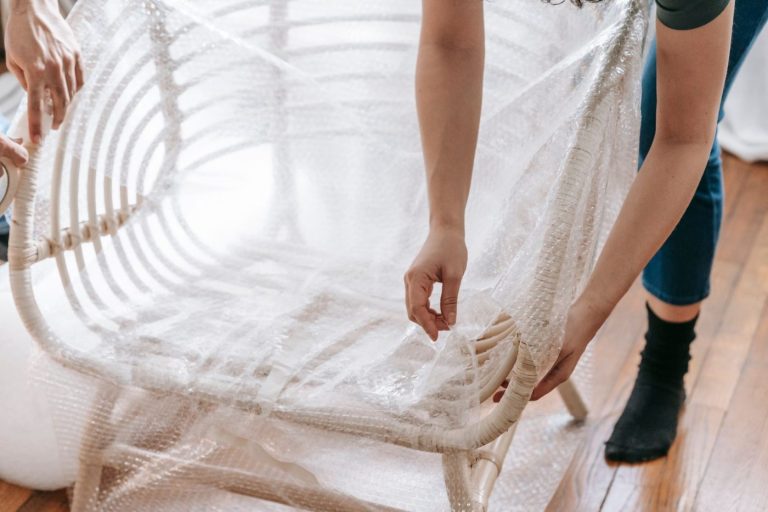
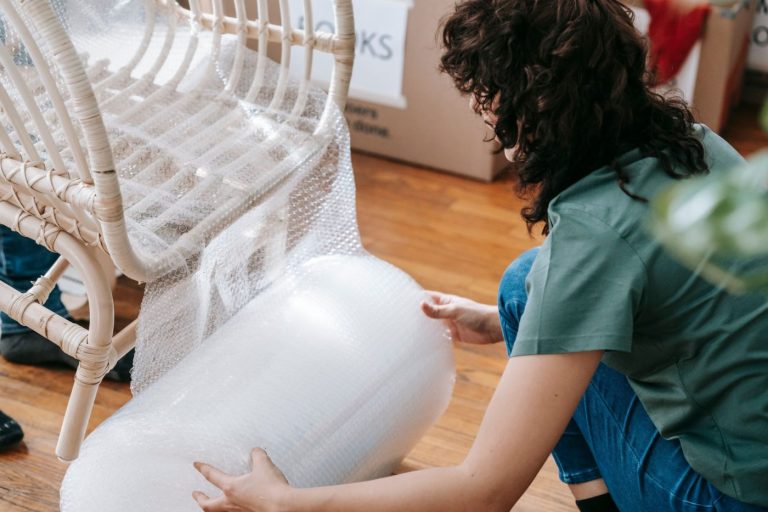
Fragile and high-value pieces travel best in custom wooden crates, built to fit each item with padding on all sides. Museums and specialty movers use this method for mirrors, marble tops, chandeliers, and framed art, and it costs more than standard cartons because the crate is built by hand. Ask the mover whether crating is done on site or off site, since on-site crating lets you watch the piece being packed.
Climate matters as much as padding does. Wood and veneer crack in extreme cold, and marble can hold hidden stress lines, so tell the company if your items will sit in a truck overnight or cross a region with freezing temperatures. Glass panels should be packed upright, never flat, and marked on both sides.
Before loading day, give the crew a written list that covers:
- Each piece by description, with its appraised value noted beside it.
- Which items need custom crates and which need climate-controlled transport.
- Any piece that must stay upright or travel flat, stated clearly on the box.
- Items you are moving yourself instead of handing to the crew.
- The name of one person who answers questions about the antiques on moving day.
FAQ
Do I need a professional appraisal, or can I estimate the value myself?
Yes. You need a written appraisal for anything you plan to insure or claim on. Your own estimate can help you decide which pieces are worth appraising, but a mover or insurer will ask for a signed report from a qualified appraiser.
Will my homeowner's policy cover antiques during the move?
Often not, or only up to a low limit. Many homeowner policies reduce or exclude coverage while items are in transit, so ask your insurer in writing before loading day and compare that with the mover's declared value option.
How long does an appraisal take?
A single piece usually takes one visit plus a few days for the written report. A whole household of antiques can take two to three weeks, which is why appraisers recommend starting six to ten weeks before the move.
What if the appraiser values a piece far below what I paid?
That happens, especially in categories where demand has cooled. The report still matters, because it sets the declared value you insure and tells the mover which pieces need custom crating rather than a standard carton.
About the Author