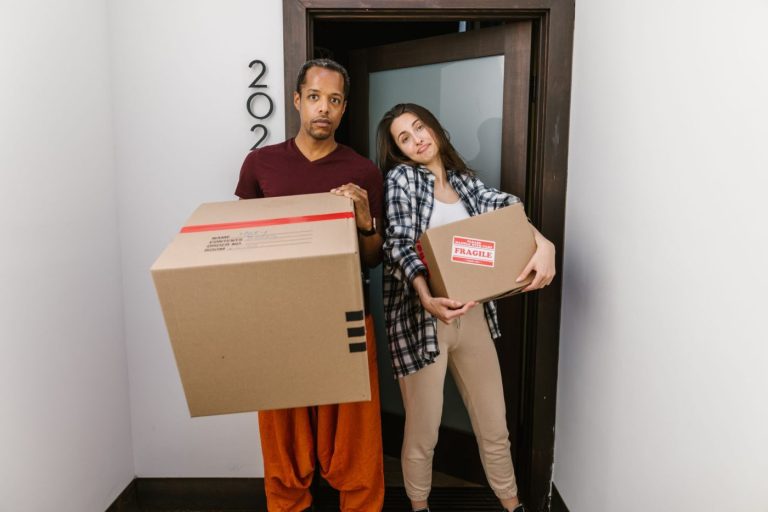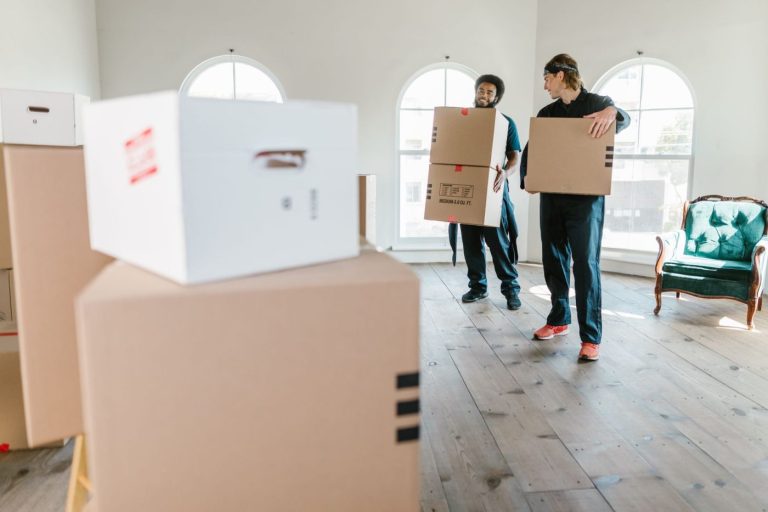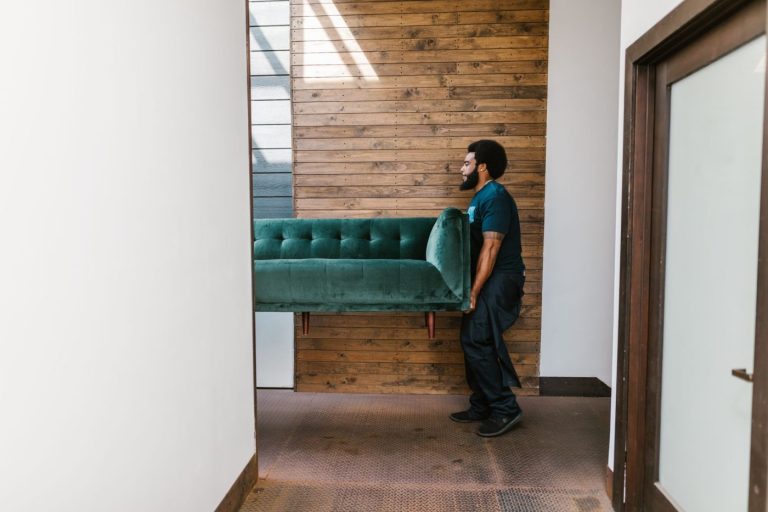

Photo: RDNE Stock project, Pexels (Pexels License)
What should I do eight weeks before an apartment move?
Eight weeks out, your main task is to reduce what you will move and confirm that your larger pieces will physically fit through every door, hallway and elevator at the new building. Start by sorting every room into three piles: keep, donate and toss. Be strict with items you have not used in a year. A lighter load means fewer boxes, a smaller truck and a lower bill.
Measure the width and height of your current apartment’s front door, the new apartment’s entry door, all interior doorways, any tight hallway corners and the elevator interior. Write down the dimensions of your sofa, bed frame, dining table and any other bulky piece. If a sofa will not clear the elevator, you need to know now so the movers can plan for stairs or a hoist, not on moving day when every delay costs money.
At the same time, begin gathering quotes from at least three licensed moving companies. A reliable quote requires an in-person or video walk-through, not a phone estimate based on room count. Use these early weeks to:
- Sort every closet, cabinet and storage locker and set aside items for donation or disposal.
- Measure doorways, stairwells and the elevator in both the old and the new apartment.
- Create a simple floor plan of the new apartment with furniture placement marked so movers know where each piece goes.
- Request written estimates from three licensed movers and compare the services included, not just the bottom-line number.
- Check the new building’s move-in rules, elevator reservation requirements and whether a certificate of insurance is needed.
- Start a dedicated folder, physical or digital, for all moving paperwork, receipts and the master inventory list you will build week by week.
How do I choose a moving company for an apartment?
Start by checking the mover’s licence. Any legitimate interstate mover in the United States must have a USDOT number you can look up on the Federal Motor Carrier Safety Administration website. In Canada, provincial rules apply and you verify the carrier through the provincial transportation authority. A valid licence confirms the company is insured and authorised to operate.
Read recent reviews on independent platforms, paying attention to comments about punctuality, care with furniture in tight stairwells and how the crew handled building restrictions. Ask two or three companies for a binding estimate based on a video survey of your apartment, not a quick phone quote. A video walk-through lets the estimator see the exact volume, any awkward access points and the items that need special handling.
- Request the USDOT number and verify it online before you share your address.
- Read reviews from the last six months, focusing on apartment moves specifically.
- Insist on a video survey and a binding estimate that includes all building fees.
- Avoid any company that demands a large cash deposit before moving day.
- Confirm the mover carries cargo insurance and understand the valuation options.
What is a realistic packing timeline for an apartment?
Packing a one or two-bedroom apartment takes about four weeks if you work in short, focused sessions. You start with items you rarely use and finish with daily essentials the day before the move.
Four weeks out, pack off-season clothes, books, decor, and specialty kitchen gear. Two weeks out, box up most of the kitchen, linens, and entertainment electronics. The final week is for everyday dishes, pantry staples, toiletries, and the clothes you still wear. This staged approach keeps your apartment livable and spares you a frantic all-nighter.
Set aside a clearly marked suitcase or duffel bag that stays with you on moving day. Pack it as if you are traveling for three days:
- A full change of clothes and comfortable shoes for moving day.
- Toiletries, prescription medications, and a small first-aid kit.
- Phone and laptop chargers, plus a portable battery pack.
- Important documents, keys, and a basic tool set for reassembly.
- Snacks, water bottles, and paper towels for quick cleanups.
How do I handle building rules, elevators and parking?
Contact the management offices of both your current and future buildings at least two weeks before moving day. Ask for a copy of the written moving policy, which typically covers permitted hours, insurance requirements and the procedure for booking the service elevator. Some buildings charge a refundable deposit to protect common areas from damage during the move.
Measure or request the dimensions of the service elevator and loading dock, then compare them with the truck size your mover plans to use. Confirm whether the loading zone can accommodate a full size moving van or requires a smaller vehicle. If off street parking is not available, your mover may need a street parking permit, which your local city office issues. Reserve the elevator for a specific time window and post the confirmation where the crew can see it on the day.
Specific restrictions to check with both buildings include:
- Whether moving is allowed on weekends or only on weekdays.
- The exact hours when the service elevator can be used.
- Whether protective padding of elevator walls is required or provided by the building.
- If a certificate of insurance from the moving company is mandatory and what coverage limits are needed.
- Whether the loading dock has a weight limit or height clearance that could block a larger truck.
What special items need extra preparation?
Large furniture, electronics, artwork and plants almost always need special handling. Standard wrapping is not enough for them, and many movers charge extra for these services, so book them in advance.
Disassembly is the most common extra step. Bed frames, large wardrobes and modular sofas have to be taken apart before they can leave the apartment. Confirm with your mover whether disassembly and reassembly are included in the quote or billed by the hour. If you own a Peloton bike or a treadmill, check the manufacturer's guide for transport bolts and tension release before the crew arrives.
Electronics, original artwork and musical instruments often require custom crating or climate-controlled transport. Flat-screen TVs should travel upright in a purpose-built box, never flat under a stack of boxes. Upright pianos and large speakers may need a specialist third-party handler that your moving coordinator can arrange. Plants are a different problem: most long-distance movers will not insure them, and many states restrict soil transport across their borders. Plan to move plants in your own car or give them away.
- Take photos of cable connections behind the TV and media centre before you unplug anything.
- Remove batteries from remotes, toys and electronics to prevent corrosion during transit.
- Drain fuel from lawn equipment, portable heaters and gas grills; movers will refuse to load them otherwise.
- Wrap artwork in glassine paper before bubble wrap to prevent the finish from sticking in warm weather.
- Water plants lightly two days before the move, not on moving day, so the soil is moist but not leaking.
What should I do the week of the move?
Defrost your refrigerator at least 24 hours before moving day and wipe it dry to stop water leaking inside the truck. Confirm the crew's arrival window and exchange mobile numbers with the foreman the evening before. Pack a clearly labelled essentials box with toiletries, a change of clothes, phone chargers, basic tools, snacks and any daily medication you will need for the first 24 hours.
Take dated photos of every room after it is empty, focusing on walls, floors and built-in fixtures. These serve as your record of the apartment's condition if a deposit dispute arises later. Do the same for the common areas and the elevator if your building requires a damage deposit for the move.
Keep your lease documents, the new keys and the parking permit where you can reach them without unpacking the car. Charge all your devices the night before and keep a small amount of cash handy for tips or unexpected small expenses.
FAQ
How early should I start planning an apartment move?
Eight weeks is a comfortable window. It gives you time to declutter, compare mover quotes, secure elevator reservations and pack gradually without last-minute stress.
Do I need mover insurance for an apartment move?
Yes. Basic carrier liability is often included, but it covers only a fraction of an item's value. Ask the mover about full-value protection or check whether your renter's insurance extends to goods in transit.
Can movers handle narrow hallways and stairs?
Experienced apartment movers deal with tight spaces every day. Tell them about narrow corridors, staircases or small elevators during the video survey so they bring the right equipment and enough crew.
What should I pack in a first-night box?
Toiletries, a change of clothes, phone chargers, basic kitchen items, important documents and any daily medication. Keep this box with you instead of loading it onto the truck.
About the Author