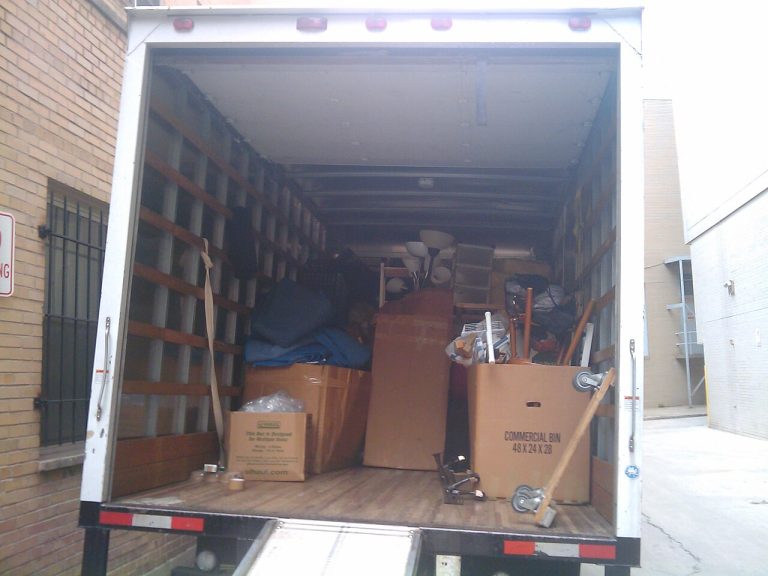
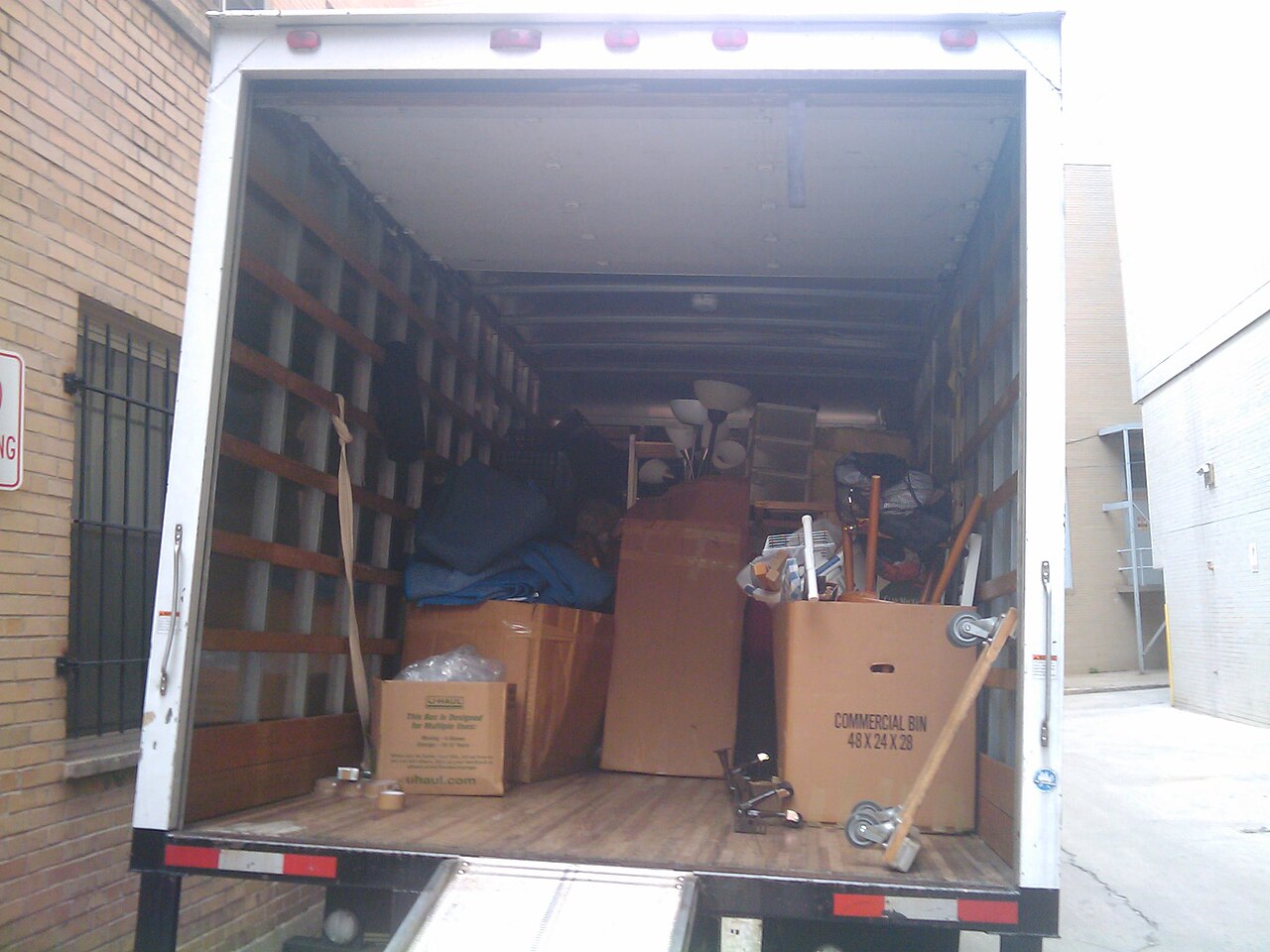
Photo: brownpau, CC BY 2.0, via Wikimedia Commons
Most people hiring movers ask about the price, the date and whether the crew will wrap the sofa. Very few ask what happens if one of the movers gets hurt in their stairwell. In New York that question has a clear starting point, because the state’s rules on who has to carry workers’ comp in New York leave almost no room for a moving company with a crew to skip it.
Moving is heavy, physical work. Narrow walk-ups, tight turns and long carries from the truck are where backs, knees and shoulders give out. A few minutes of checking before move day keeps that risk with the company that employs the crew, which is where it belongs.
Why a mover’s coverage matters to the customer
When a moving company carries workers’ compensation, an injured crew member files a claim with the company’s insurer. Medical care and lost wages are handled through that policy, and the customer is not part of the process.
The picture changes when the company has no policy. An injured worker still needs medical bills paid and still needs income while recovering. Without an insurer in place, the search for someone responsible gets wider, and an injured worker’s lawyer will look at everyone connected to the job, including the customer, before that is sorted out. Most customers never think about this until a moving day goes wrong.
What New York actually requires
The state’s Workers’ Compensation Board is direct about it: virtually all employers in New York State must provide workers’ compensation coverage for their employees. There is no minimum headcount, so a company with two helpers on the truck is in the same position as a company with fifty.
Employers also have to post a notice of coverage at their place of business. Going without a policy can cost the business up to $2,000 for every 10 days it stays uninsured, and the people running it can be held personally responsible. Those penalties are one reason established movers keep their certificates ready to send.
The contractor label does not change much
Some small outfits call their helpers independent contractors and pay them on a 1099. In New York the label on the paperwork is not what decides coverage. If the company tells the crew when to show up, what to carry and how to do the job, the Board can treat them as employees no matter what the agreement says.
A simple check before you book
Add these questions to the same call where you ask about the estimate:
- Ask for a certificate of workers’ compensation insurance, which New York carriers issue on Form C-105.2 (or U-26.3 if the policy is with the State Insurance Fund)
- Check that the business name on the certificate matches the name on your contract
- Look at the policy dates and make sure your move falls inside them
- For a move within New York, ask for the company’s NYSDOT household goods authority number, and for an interstate move, its USDOT number
- Get the answers in writing, by email, so you have a record
A legitimate company answers these in a few minutes. Hesitation, a vague “we’re covered” with nothing to show for it, or a certificate in a different company’s name are all reasons to keep looking.
Where this fits in your moving plan
The insurance check belongs early, in the weeks when you are still comparing quotes. If you are working from an 8-week apartment moving checklist, put it next to collecting estimates rather than leaving it for the final days, when switching companies is hard.
It also helps to compare like with like. A noticeably cheap quote can mean the company saves money on things the customer never sees, and insurance is one of the first places that happens. When you look at how much your move should cost, a price far below the others deserves a closer look at what is and is not included.
Your own preparation still counts
Coverage is the company’s responsibility, but you can make the job safer for everyone. Clear the hallways, reserve the elevator if your building has one, keep pets and children out of the path, and tell the crew in advance about steep stairs or a long walk from the curb. Fewer surprises mean fewer injuries.
The short version
A moving crew in New York should be working for a company that carries workers’ compensation, and asking to see proof takes one email. The certificate protects the people carrying your furniture, and it keeps an accident on moving day between the worker, the employer and the insurer, where the law means it to be.
About the Author