
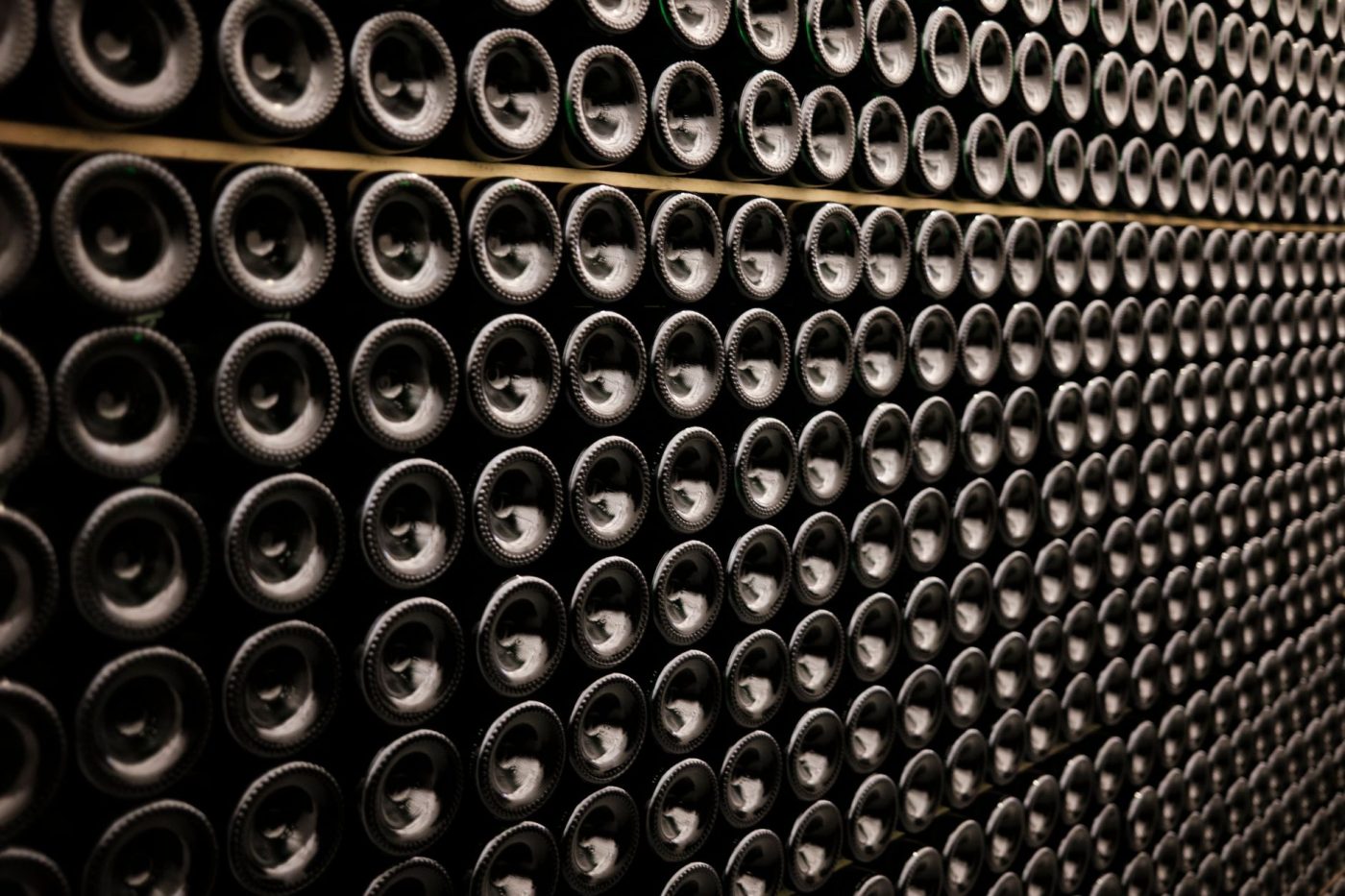
Photo: Ian Ramírez, Pexels (Pexels License)
What kind of wine collection can movers transport?
Professional movers can handle most sealed, commercially produced wines, from a single case of daily drinkers to a temperature-controlled cellar of several hundred bottles. For transport purposes, a collection is any group of bottles you list on the inventory and declare as high-value or fragile. The key distinction is not the number of bottles, but their condition and packaging. Movers will accept cork-finished and screw-cap bottles alike, provided each bottle is unopened and in its original, undamaged state.
Standard household movers do not transport open bottles, partially consumed wine, or homemade wine. Open containers pose a spill risk that can damage other cargo. The alcohol content of homemade wine is unverified, which creates a liability issue. Across state lines, federal law limits personal wine transport to a quantity clearly for personal use and not for resale. No single bottle count is written into the statute, but most movers cap a personal collection shipment at roughly 60-90 gallons, or about 25-38 cases. Larger quantities may require a commercial freight carrier with the proper alcohol shipping permits.
How do I pack wine bottles so they survive the truck?
Each bottle needs its own compartment and enough cushioning to stop glass touching glass when the truck hits a pothole. The safest option is a styrofoam wine shipper: a molded foam box that holds bottles upright and insulates them against quick temperature swings. Cardboard dividers inside a double-wall box work for short, smooth moves but lack the shock absorption of foam.
Lay every bottle on its side so the cork stays wet. A dry cork shrinks, letting air in and wine out. Seal each box with heavy packing tape, write "Fragile, Wine" and "This Side Up" on all four sides, and add an arrow showing the upright position. Never use newspaper as padding. Newsprint offers almost no impact protection, and the ink can transfer to labels as humidity rises inside the truck.
A solid packing routine follows these steps:
- Inspect each bottle. Wipe off dust and check that the cork or capsule shows no sign of leakage before packing.
- Slide the bottle into a styrofoam shipper insert or a snug cardboard cell. If the cell is loose, wrap the bottle in a single layer of bubble wrap to fill the gap.
- Place filled inserts into a sturdy double-wall box rated for at least 40 lb. The box should have no dents or soft corners.
- Fill any empty space at the top with crumpled kraft paper or foam sheets so nothing shifts when you shake the box.
- Close the flaps, run a strip of tape along every seam, and label the box clearly on multiple sides.
- Set the sealed box on the floor, not on a metal truck bed, and keep it away from the walls where heat builds up.
What temperature and humidity do I need during the move?
Wine travels best between 50°F and 60°F, with 55°F considered the sweet spot for most bottles. Reds tolerate the upper end of that range, while whites and sparkling wines stay more stable closer to 50°F. Humidity should hold between 50% and 70% to keep corks from drying out or developing mold. The real danger is not a steady warm day but a rapid spike: an hour above 80°F can push wine past the cork and permanently flatten the fruit.
Climate-controlled trucks maintain both temperature and humidity with built-in thermostats and sealed cargo areas. For a local move in mild weather, an insulated wine shipping liner inside a standard truck is often enough. These liners use reflective foil and foam layers to slow heat transfer, keeping the interior temperature change under 5°F over a six-hour trip. In summer or on a desert route, a refrigerated truck set to 55°F is the safer choice.
What damages wine during transit
- Direct sunlight through truck windows heating bottles unevenly
- Temperature swings of more than 10°F in a single day
- Humidity below 40% shrinking corks and letting air into the bottle
- Vibration from an uninsulated floor shaking sediment loose in older reds
- Stacking cases against a hot exterior wall that radiates engine heat
How long should wine rest after moving before I open a bottle?
Wine needs a settling period of at least 7 to 14 days after a local move. The vibration and temperature shifts during transport cause a temporary condition called bottle shock, where the wine’s flavor and aroma become muted or disjointed. Opening a bottle too soon almost guarantees a disappointing experience, even if the wine itself is perfectly sound.
For a cross country move that lasts several days, extend the rest to three or four weeks. The longer a bottle spends on the road, the more time its chemical balance needs to return to normal. Older vintages and delicate wines, especially those with fine sediment, benefit from a full month of stillness.
Store the bottles on their sides in a dark, vibration-free spot at a steady 55°F while they settle. Keep the humidity around 60 to 70 percent and do not move the rack or handle individual bottles during this window. A quiet basement corner or a dedicated wine fridge works well. Once the resting period passes, open a modest bottle first to confirm the collection has recovered before reaching for a prized vintage.
Can I move a wine fridge or a full cellar?
You can move a wine fridge, but it requires more preparation than a standard kitchen refrigerator. Empty the unit completely and defrost it at least 24 to 48 hours before moving day. Dry the interior thoroughly with a soft cloth to prevent mold inside the truck. Secure all sliding shelves with painter’s tape or remove them and wrap them separately. The fridge must travel upright. A wine fridge compressor contains oil that can leak into the refrigerant lines if the unit lies on its side, and that may ruin the cooling system.
Built-in cellar racks and custom wood shelving present a different challenge. These installations are typically fastened to the walls and floor. A standard moving crew will not dismantle finished carpentry. You need a specialist crating service or a finish carpenter to disassemble the racking, label every piece, and build custom wooden crates for the components. Schedule this work at least two weeks before the move because crating a full cellar takes time. The same specialist can reassemble the cellar at the new home.
Moving a full, active cellar is a staged process. The wine comes out first, then the racks, and finally the cooling unit. If your cellar has a dedicated climate control system, an HVAC technician should disconnect and cap the refrigerant lines before the unit is moved. Reconnect it at the destination by a licensed professional. Plan for the wine to stay in off-site climate-controlled storage during the transition if the new cellar is not ready on arrival day.
What insurance covers a wine collection during a move?
Standard moving contracts include released value protection, which pays 60 cents per pound per item. That works for furniture but fails a wine collection. A 3-pound bottle of 2005 Château Margaux, worth several thousand dollars, would recover less than two dollars under basic coverage. You need full value protection, where the mover assumes liability for the replacement value of every item listed on the inventory.
Full value protection requires a documented inventory with dated photographs of each bottle, showing the label, fill level, and any existing condition issues. Movers will not accept a handwritten list. A spreadsheet with bottle name, vintage, purchase date, and current valuation, backed by clear images, gives both you and the carrier a defensible record if a claim arises.
For collections valued above the mover’s per-article cap, typically $5,000 to $10,000, a separate collectibles policy or a rider on your homeowner’s insurance makes sense. These policies cover breakage, temperature spoilage, and theft during transit. Check that the policy includes off-premises transit coverage and does not exclude fragile goods by default.
- Full value protection covers repair or replacement cost, not a flat weight-based rate.
- Dated photos of labels and fill levels prove condition before loading.
- A spreadsheet inventory with valuations speeds up any claim process.
- Ask your homeowner’s insurer about a collectibles rider for bottles above the mover’s cap.
- Verify that the policy explicitly covers transit damage and temperature spoilage.
- Keep all documentation in a cloud folder accessible from your phone during the move.
FAQ
Can I move wine in the summer without a climate controlled truck?
Yes, if the trip is short and you use insulated styrofoam shippers. For a move longer than a few hours in temperatures above 80°F, a climate controlled vehicle is the safer choice. Heat is the fastest way to ruin a bottle, so plan the route to avoid leaving the truck parked in direct sun.
Do moving companies pack wine for you?
Some full service movers will pack wine if you provide the specialty shippers, but many exclude alcohol from their standard packing services. Always ask before booking day. If the mover says no, you can pack the bottles yourself or hire a wine logistics company that specializes in cellar relocations.
How do I move a few expensive bottles without a full collection?
Buy a single bottle styrofoam shipper or a small pulp wine carrier. Wrap each bottle in a sealed plastic bag first, then place it in the shipper. Carry the box in your own vehicle rather than the moving truck so you control the temperature and handling.
About the Author