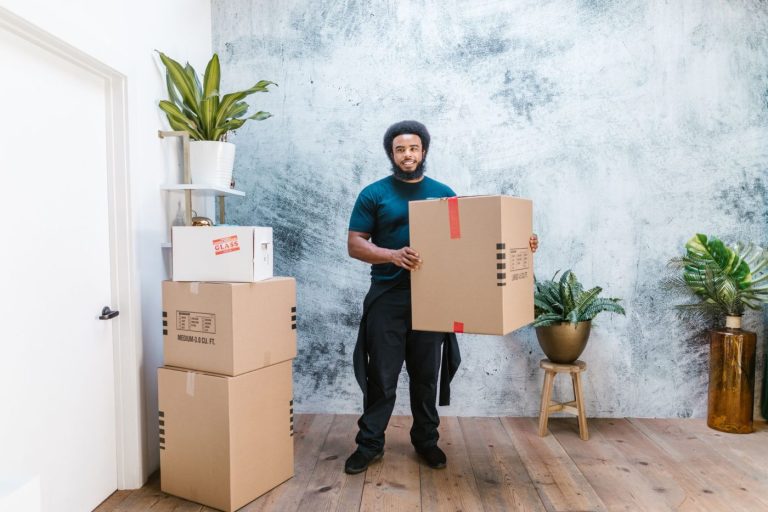
Photo: RDNE Stock project, Pexels (Pexels License)
What should a moving checklist cover?
A moving checklist is a timeline that breaks a chaotic process into manageable tasks spread over several weeks. It helps you stay on top of packing, paperwork, and the logistics of leaving one home and settling into another. A solid checklist covers five areas: admin and legal tasks, sorting and decluttering, packing and supplies, logistics and service bookings, and final-week walkthroughs.
Administrative tasks include updating your address with the USPS or Canada Post, transferring or closing utility accounts, notifying banks and insurance providers, and gathering medical and school records. Sorting and decluttering means going room by room to decide what to keep, donate, sell or discard. This step cuts the cost and effort of the move, because fewer boxes mean lower fees.
Packing and supplies cover everything from ordering the right size boxes, tape and protective wrap to labelling each box by room and contents. Logistics and service arrangements include confirming dates with a moving company, reserving elevator time if you live in a condo or apartment, and booking any required parking permits. Final week walkthroughs involve a room by room check for overlooked items, a meter reading and a cleaning sweep. A checklist covering all five areas turns a stressful move into clear, actionable steps.
What to do two months before the move
Eight weeks out, make the big decisions that shape the rest of your timeline. Start by researching moving companies. Request in-home or virtual surveys from at least three licensed movers so you can compare written estimates side by side. For a long distance or cross-border move, confirm that the carrier has a USDOT number and check their complaint record on the Federal Motor Carrier Safety Administration website.
Create a simple moving binder, either a physical folder or a digital note, to keep estimates, receipts, and your checklist in one place. As you walk through each room, sort everything into keep, donate, sell, and toss piles. The less you move, the lower your total cost will be, so be ruthless with items you have not used in a year.
- Get written estimates from three licensed movers and verify their USDOT numbers
- Set up a moving binder for contracts, receipts, and inventory lists
- Declutter every room and schedule a donation pickup or garage sale date
- Measure doorways and staircases in both homes to confirm large furniture will fit
- Notify your current landlord or list your home for sale if you own
- Research storage options if your new home will not be ready on move-in day
What to do one month before the move
With four weeks to go, your focus shifts from planning to action. You should have a signed contract with your moving company by now, so call your move coordinator to confirm the service date, crew size, and any special instructions for heavy or fragile pieces. A quick call now prevents surprises on moving day.
Notify the local utility providers, including electric, gas, water, and internet, of your shutoff date. Schedule service activation at your new address for the day before you arrive so the lights and heat are working when you walk in. If you have children, submit the paperwork to transfer their school records and let the current school know the last day of attendance.
This is the right time to start packing items you will not need before the move. Work room by room and label every box on the top and one side with the destination room and a short list of contents. A packing priority list helps you stay organized:
- Pack out-of-season clothing, extra bedding, and holiday decorations first.
- Box up books, framed photos, and decorative items from shelves and walls.
- Disassemble guest room furniture and wrap the hardware in a labeled bag taped to the frame.
- Sort the garage, shed, and storage areas; set aside anything you plan to sell or donate.
- Pull together important documents like medical records, vaccination certificates for pets, and vehicle titles so they stay with you, not in the moving truck.
What to do two weeks before the move
Two weeks out, pack most of your belongings and handle the logistics that keep moving day on schedule. Most non-essential rooms should be packed by the end of this week. Leave out only the items you use every day, such as a few changes of clothes, basic cookware and toiletries.
Contact your moving company to confirm the arrival window, crew size and the total balance due on moving day. Arrange a cashier’s check or confirm that your credit card will clear the amount without hitting a daily limit. If your move involves a flight or a multi day drive, book your own tickets and hotel rooms now and keep the confirmation numbers in a separate folder on your phone.
A clear packing order helps you avoid last-minute scrambling. Work through the house methodically with this order in mind:
- Pack all books, decor and off season clothing first, since you will not need them in the next 14 days.
- Disassemble guest room furniture and label each piece of hardware in a clear zip top bag.
- Back up computers and important files to an external drive and a cloud service before packing electronics.
- Drain fuel from lawn mowers and propane from grills, then clean the equipment so it is ready to load.
- Photograph the back of your TV and any complex cable setups so reassembly is quick at the new place.
- Start using up frozen food and pantry items that cannot travel, and stop buying bulk groceries.
What to do one week before the move
Seven days out, shift from packing to shutting down the old home and preparing for a smooth first night in the new one. Confirm the arrival window with your moving company and give them your new address and a backup phone number. Walk through every room with your inventory list to catch anything that still needs a box or a label.
Now pack a first-night box for each person in the household. A change of clothes, toiletries, phone chargers, basic tools, trash bags and a roll of toilet paper will save you from digging through sealed cartons after a long day. Keep these boxes with you in your own vehicle rather than on the truck.
- Defrost the freezer 48 hours before loading day and wipe it dry to prevent water damage in transit.
- Gather passports, birth certificates, medical records and school files into one waterproof folder that stays with you.
- Refill prescriptions so you have at least two weeks of medication on hand during the move.
- Drain fuel from lawn mowers, snow blowers and gas cans if the moving company does not transport flammables.
- Take photos of electronics connections on the back of your TV and computer so reassembly is quick.
- Set aside cleaning supplies for a final wipe-down after the truck leaves.
How to handle moving day without forgetting anything
Do a final walk through every room, closet, and outdoor storage area before the crew arrives. Open every cabinet and drawer one more time, even if you checked them the night before. Small items hide in corners, and a single missed box of kitchenware can mean an extra trip or a delayed closing.
When the movers arrive, walk the team leader through the home and point out which items need special handling, such as a glass tabletop or a piece with loose legs. Confirm the destination address and your cell phone number are correct on the paperwork. Keep a box of essentials with you: phone chargers, snacks, medication, important documents, and the keys you will hand over. Keep this box out of the truck.
While the crew loads, stay available to answer questions but avoid directing every move. Do a second sweep of the home once the truck is packed. Check the attic hatch, the crawl space, the backyard shed, and the washing machine drum. Turn off the water main if the home will be vacant, set the thermostat to a safe range, and lock every window. Take photos of the empty rooms and the final meter readings for your records.
What to unpack first after the move
Make the new house functional for sleeping, eating, and basic hygiene on the first night. Start with the open-first box you packed during the final week before the move. That box should contain toilet paper, hand soap, a shower curtain, phone chargers, basic tools like a screwdriver and utility knife, paper plates and cups, a few trash bags and a change of clothes for everyone in the household.
Set up the beds before anything else. Find the bedding boxes, assemble the bed frames and make the beds. After a long moving day, knowing where you will sleep cuts a lot of stress. Next, tackle the bathroom. Hang the shower curtain, put out towels, soap and shampoo. Connect the toiletries so everyone can wash up without digging through boxes.
Before you unpack anything else, do a quick safety walkthrough if you have young children or pets. Close off any rooms you are not using and check for hazards that may have appeared during the move-in:
- Block stairways with a temporary gate or a secured piece of furniture until proper gates are unpacked.
- Check that all windows have secure screens and that blind cords are tied up out of reach.
- Walk the floor in every room on your hands and knees to spot small objects, dropped screws or staples that a crawling child or a curious pet could swallow.
- Set up a water bowl and a familiar bed or crate in a quiet corner so your pet has a safe spot while you work.
- Test smoke detectors and carbon monoxide detectors on every floor. Replace batteries if you hear a low-battery chirp.
- Locate the main water shut-off valve and the electrical panel so you can act quickly if something goes wrong during the first night.
Once the beds, the bathroom and the safety walkthrough are done, set up a small kitchen station with the kettle or coffee maker, a few mugs and basic breakfast items. You can unpack the rest of the kitchen the next morning when you have more energy.
FAQ
How far in advance should I start a moving checklist?
Start your moving checklist about eight weeks before your moving date. This gives you enough time to declutter, research and book a mover, and handle administrative tasks without rushing. For a long distance or cross border move, starting ten to twelve weeks out is even better.
What is the most important item on a moving checklist?
The most important item is confirming your moving company booking in writing and keeping a copy of the contract handy. Once your mover is locked in, everything else on the checklist can be rearranged around that fixed date. A close second is packing a first night box with essentials you will need immediately at the new home.
Should I pack my own boxes or let the movers do it?
Packing your own boxes saves money and gives you control over how items are organized, but it takes a lot of time. Having movers pack for you is faster and often includes some liability coverage for breakage during transit. Many people choose a middle ground and pack non fragile items themselves while leaving fragile or bulky items to the professionals.
How do I keep track of everything on moving day?
Keep a moving day folder with your contract, inventory list, and a simple timeline of the day's events. Walk through the empty home with your phone camera to document the condition after everything is out. A final check of every closet, cabinet, and outdoor area before you lock the door catches the things most people forget.
About the Author